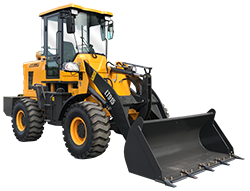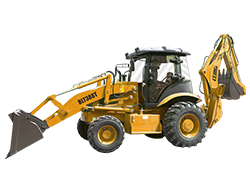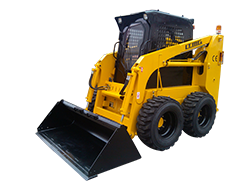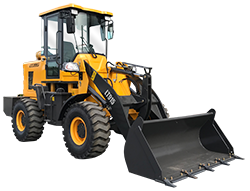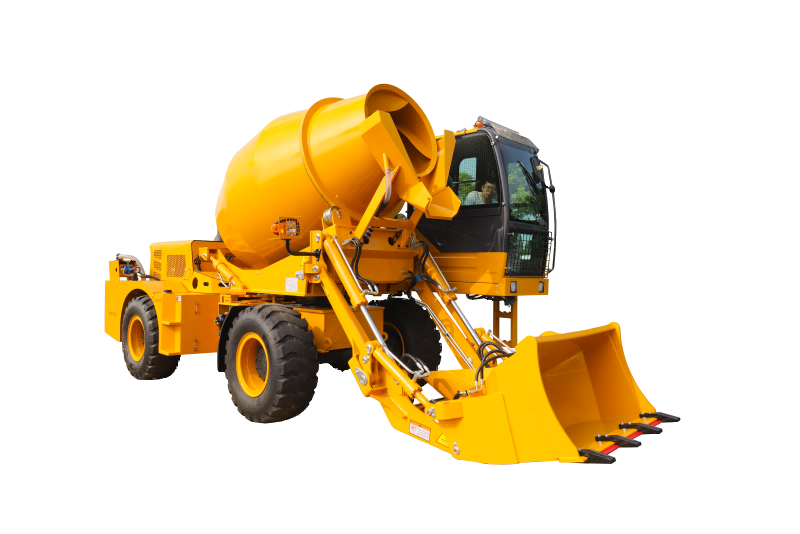
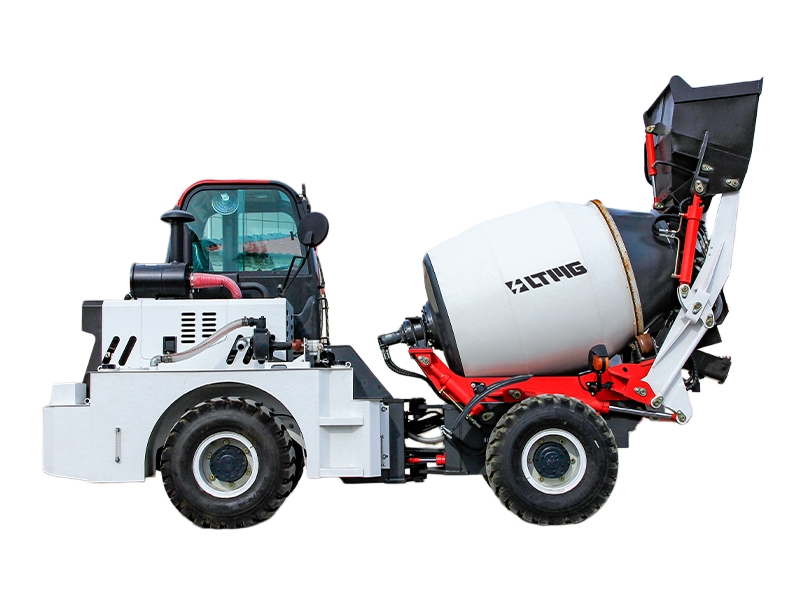
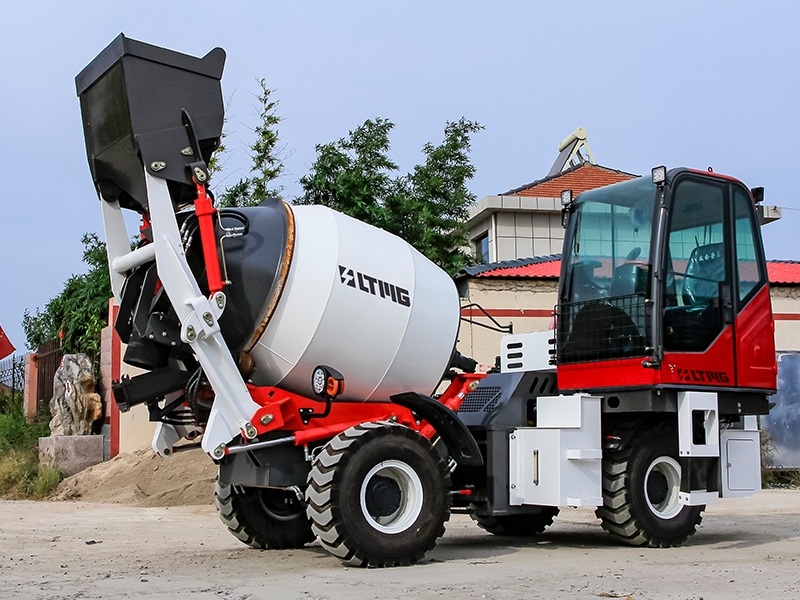
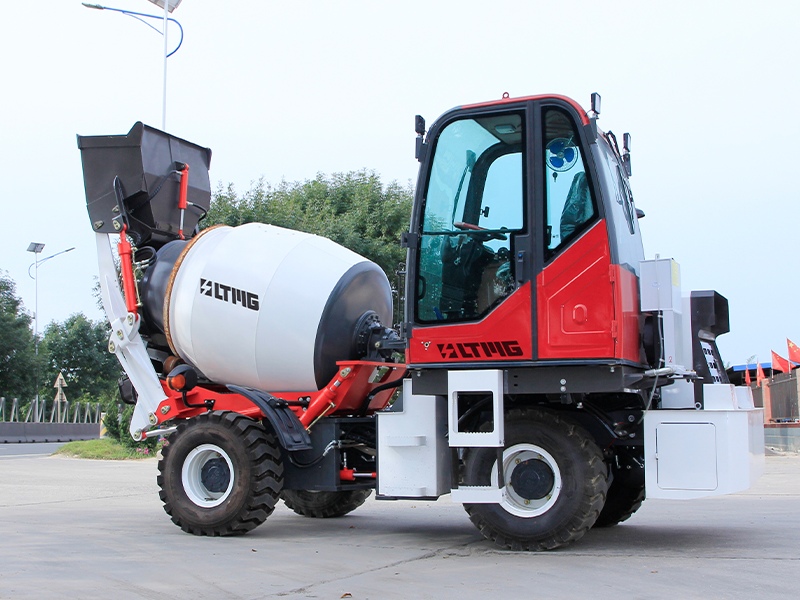
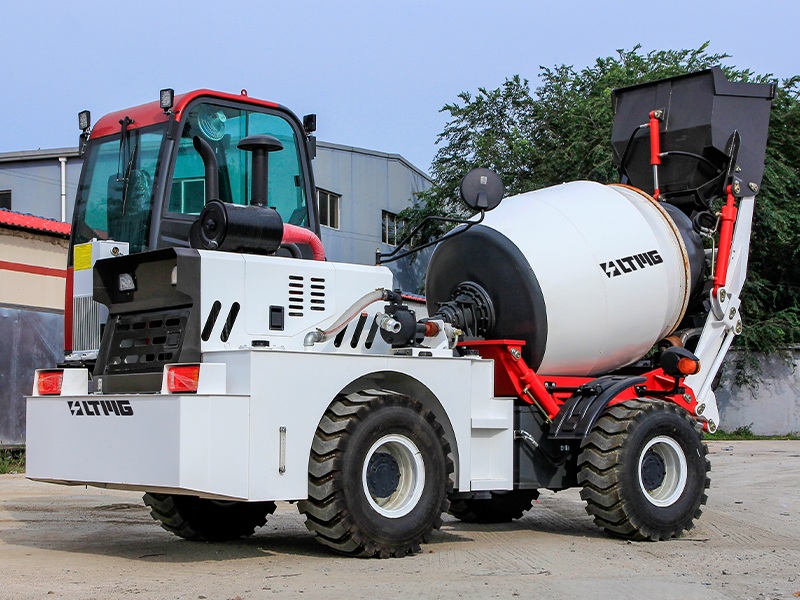
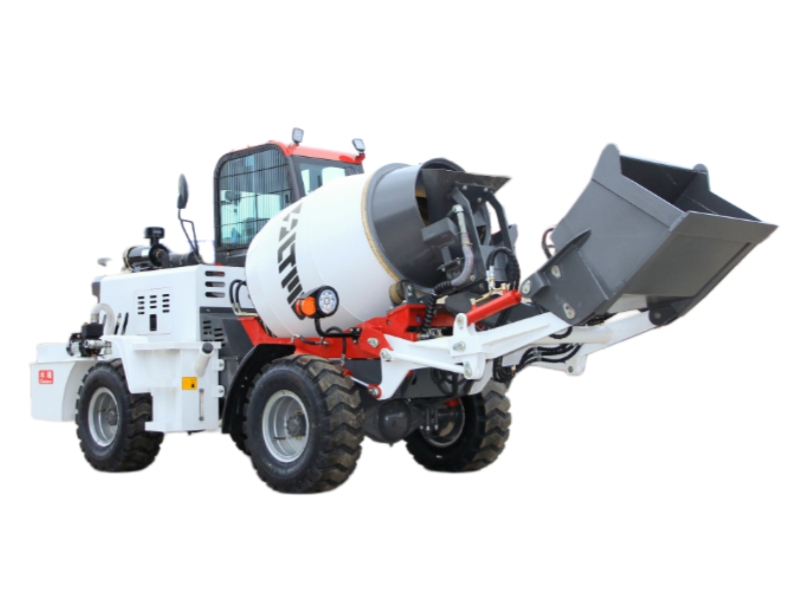
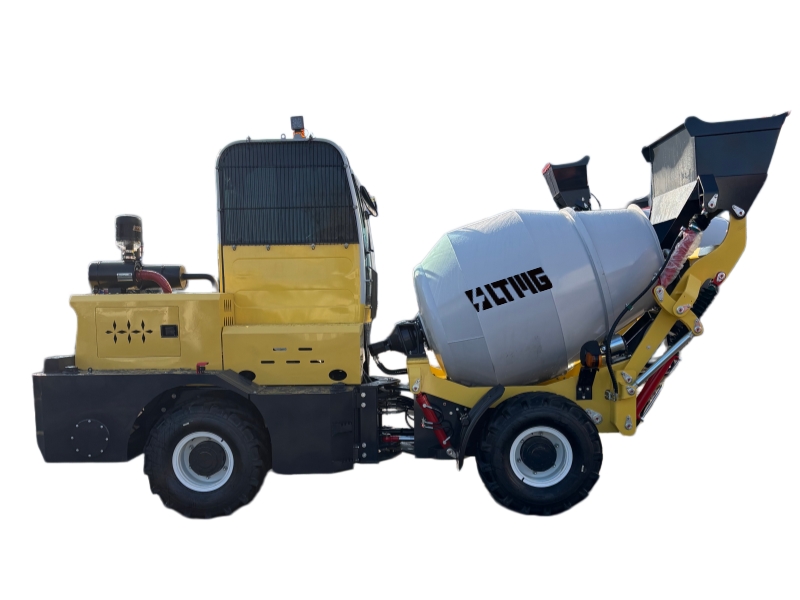
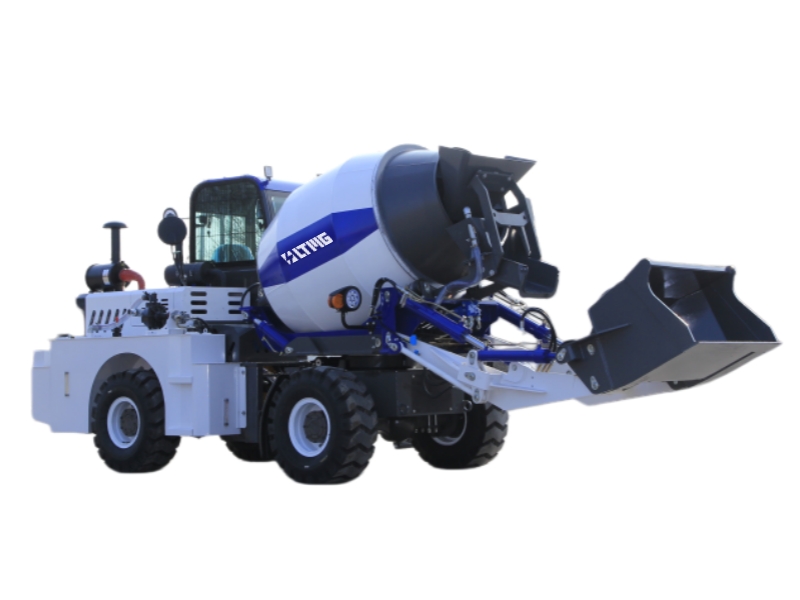
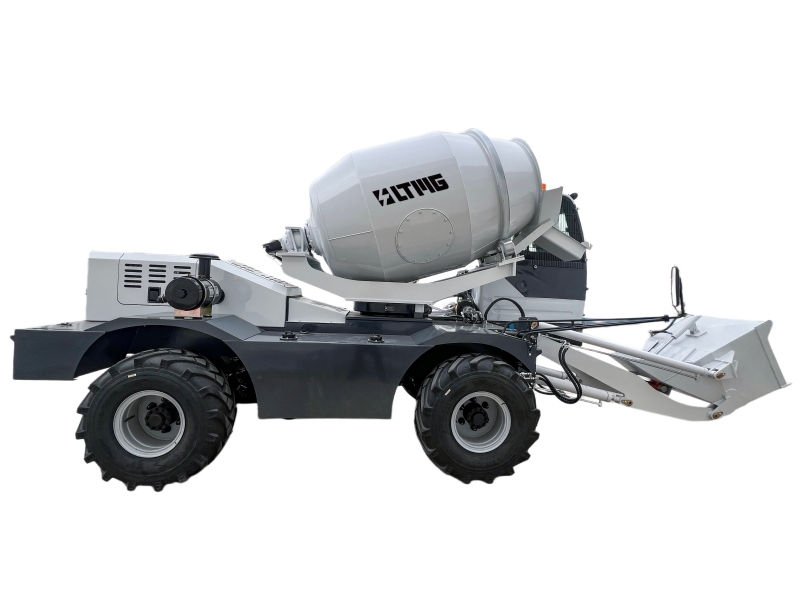
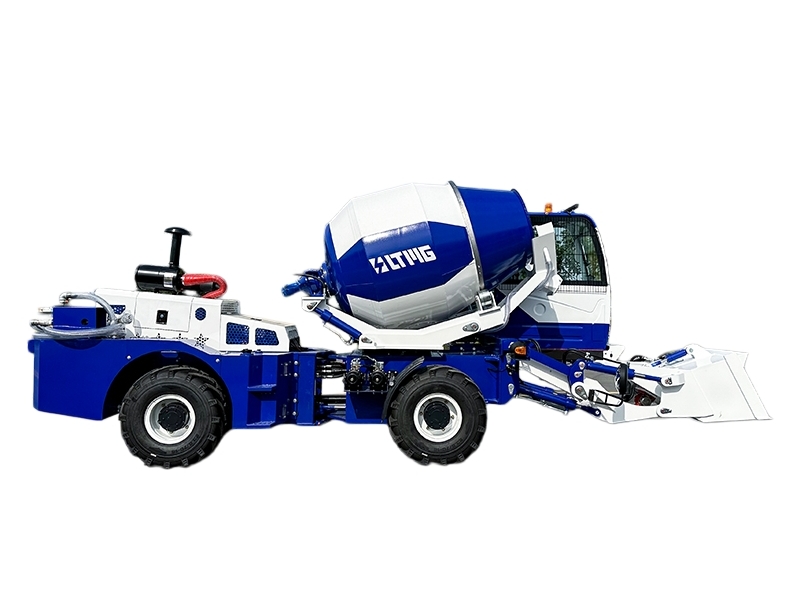
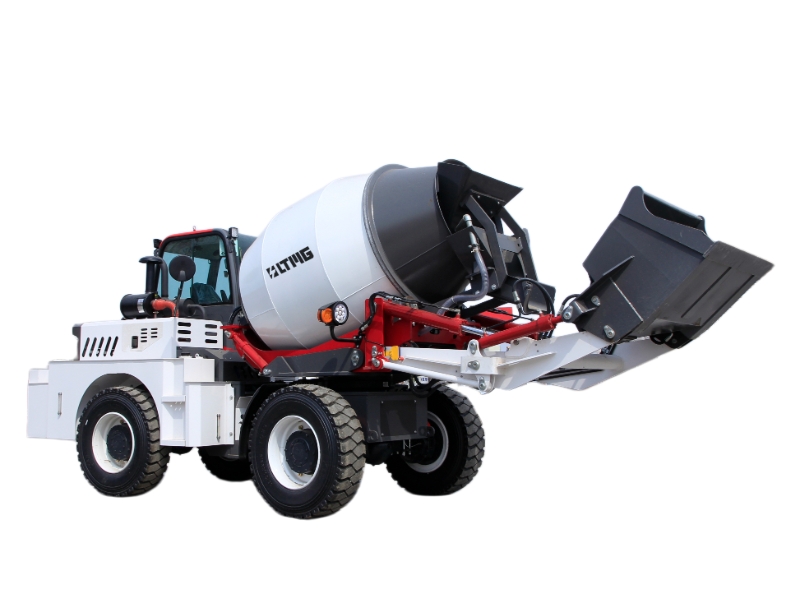
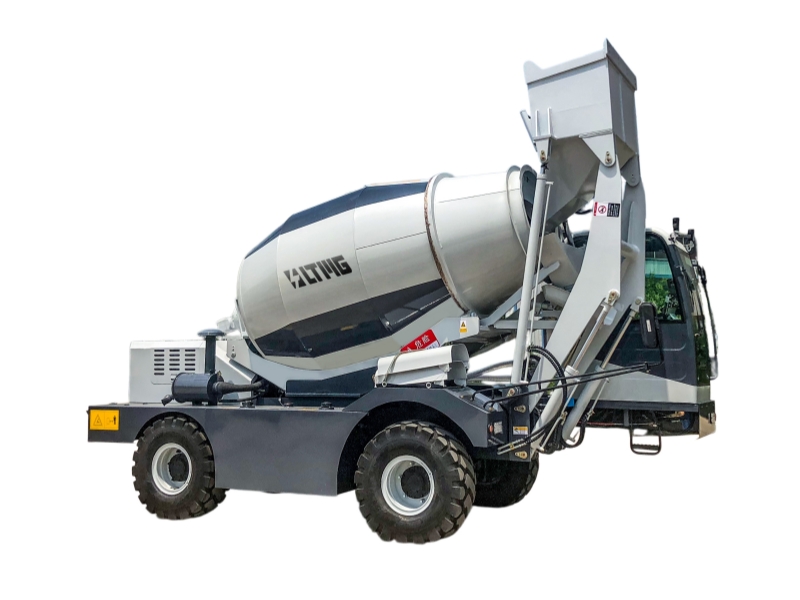
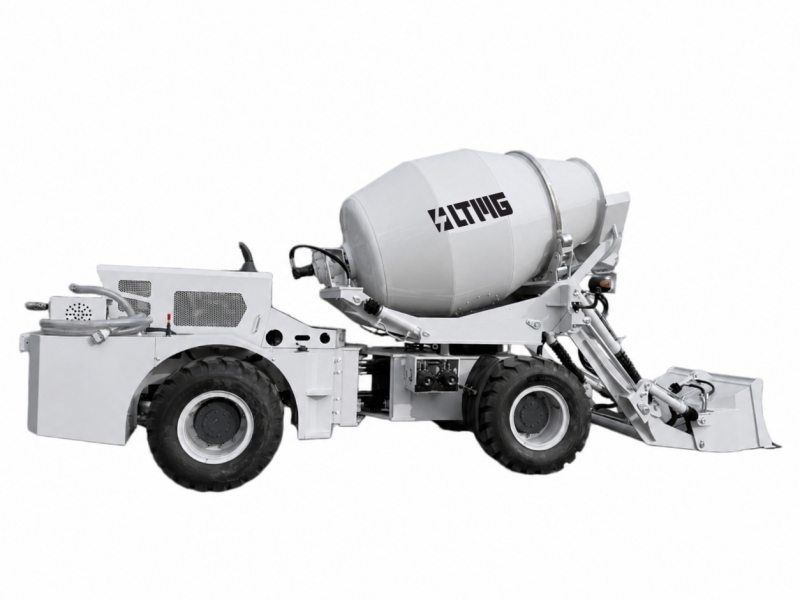
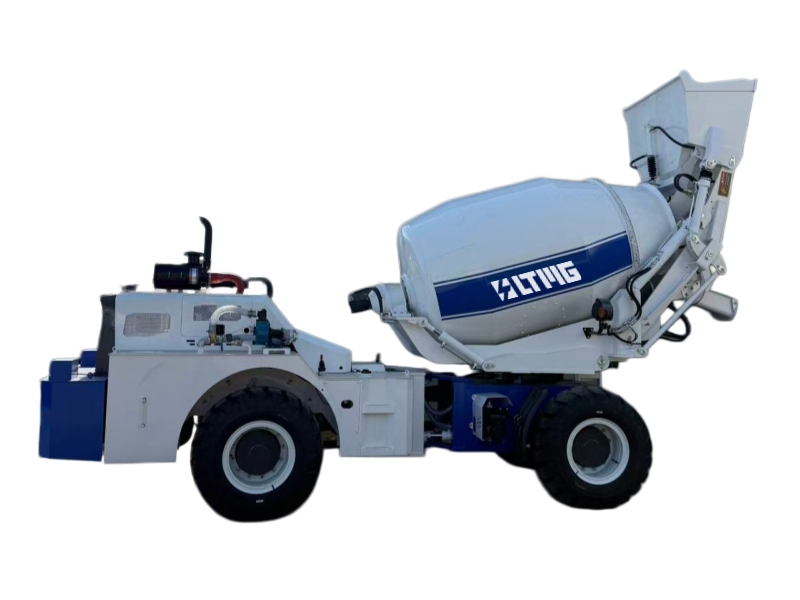
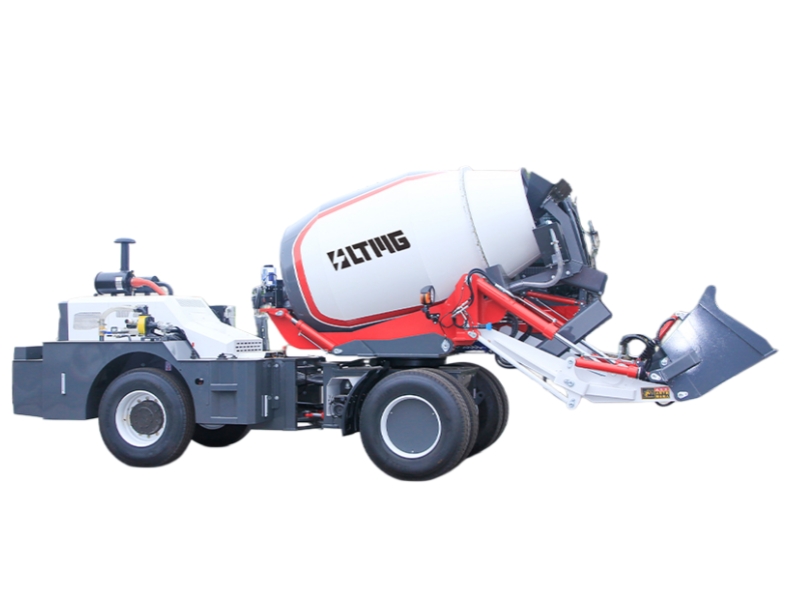
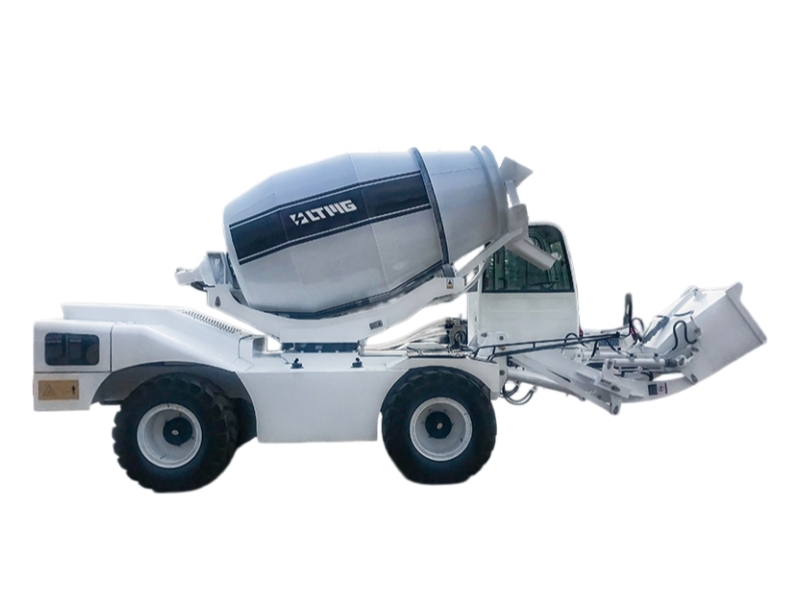
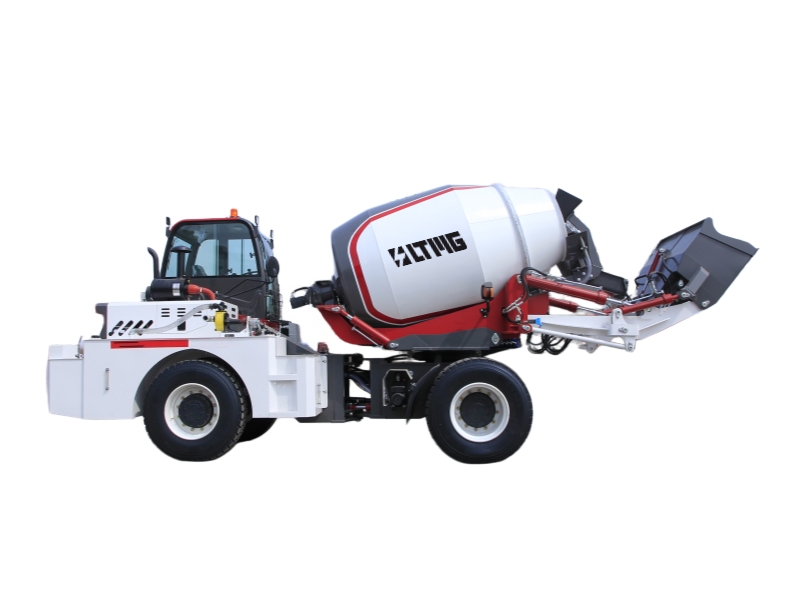
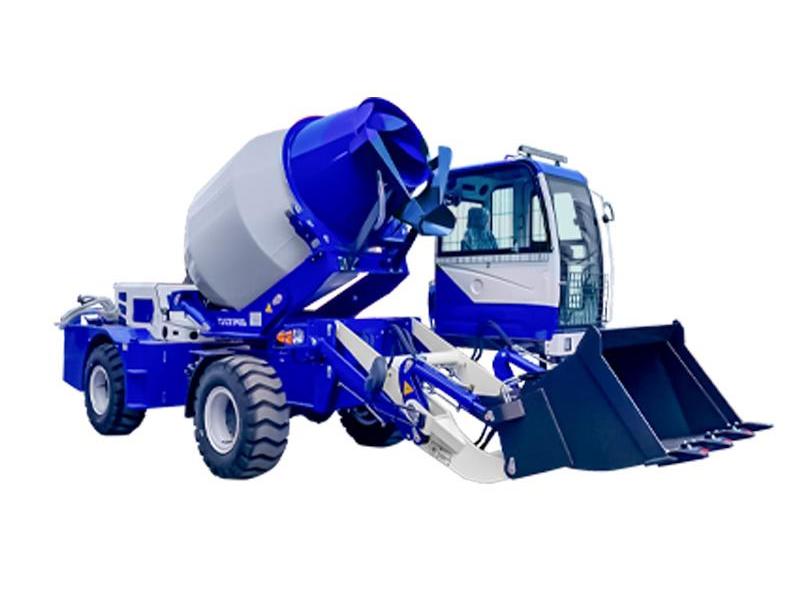
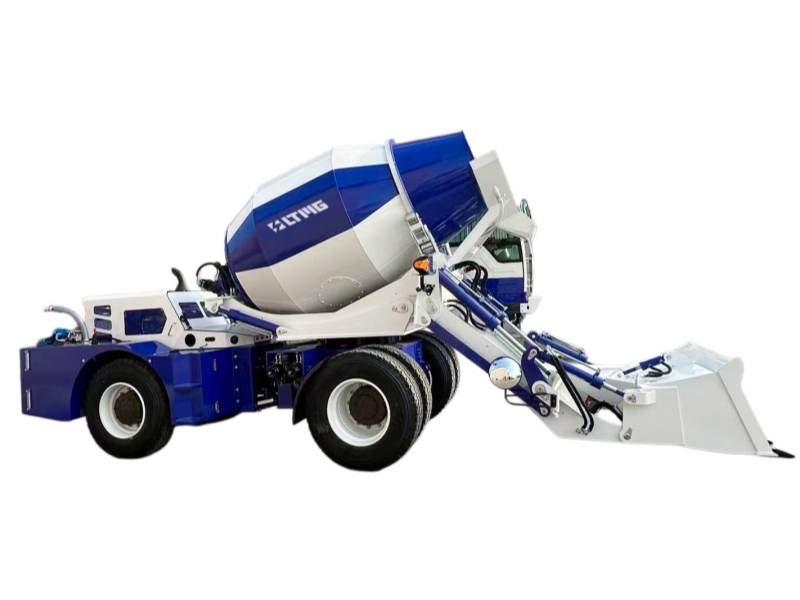
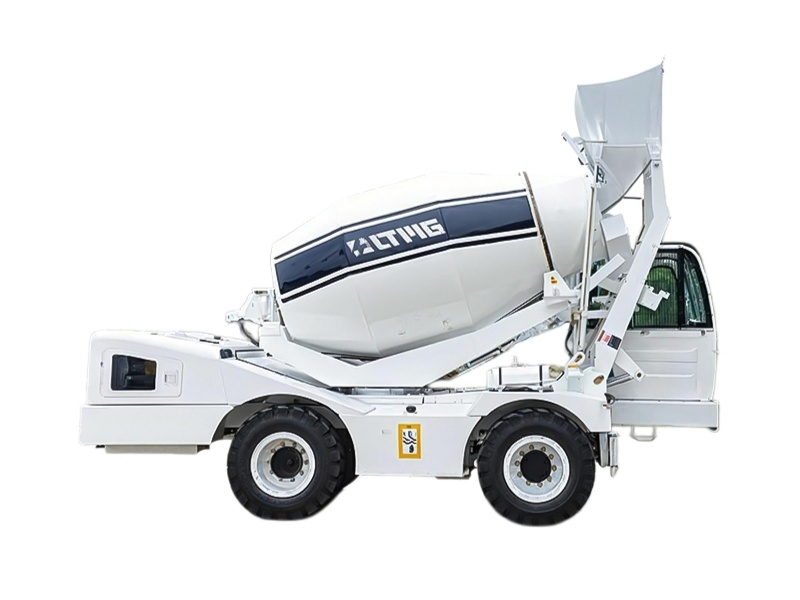
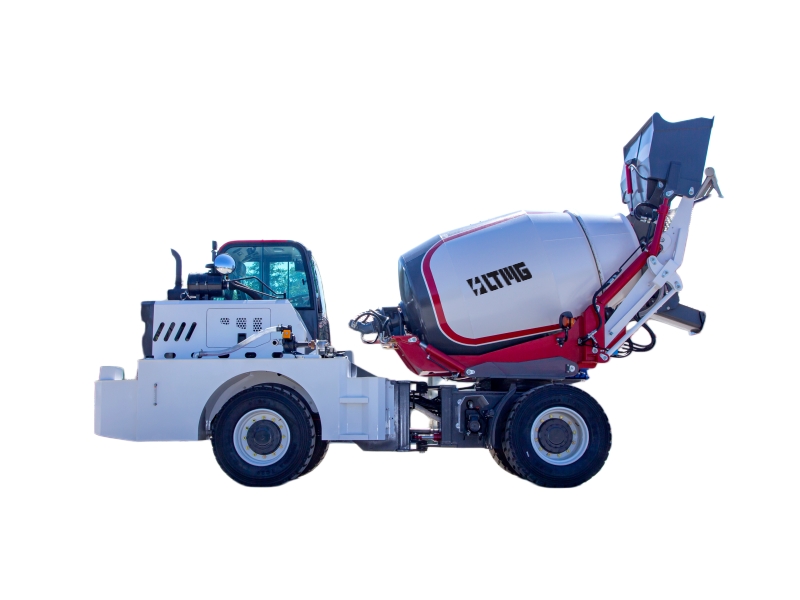
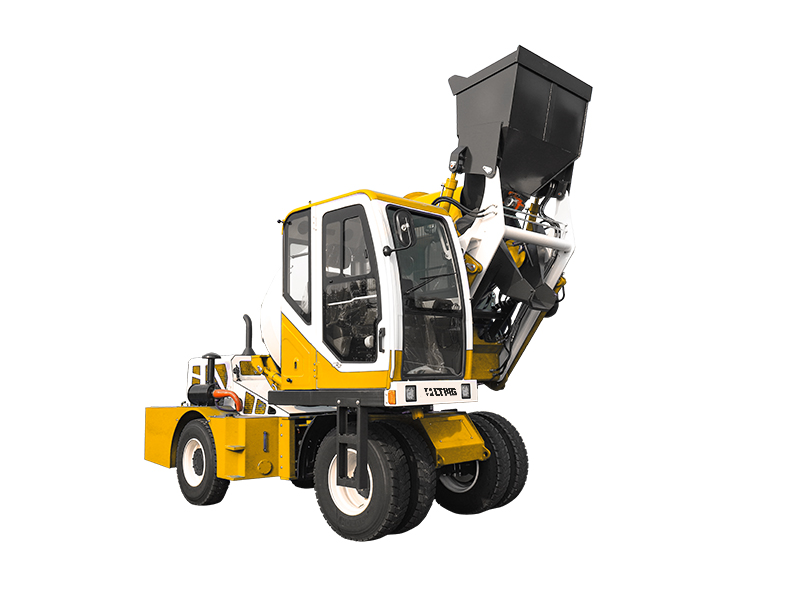
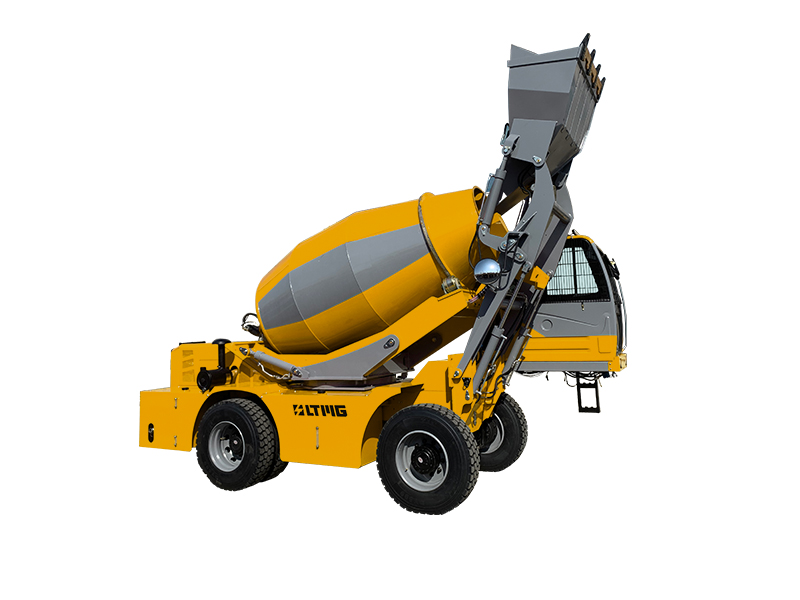
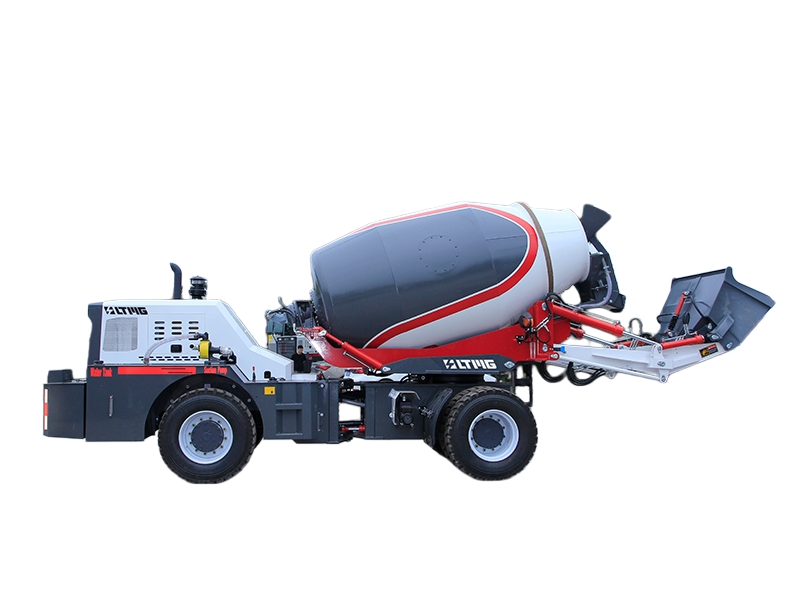
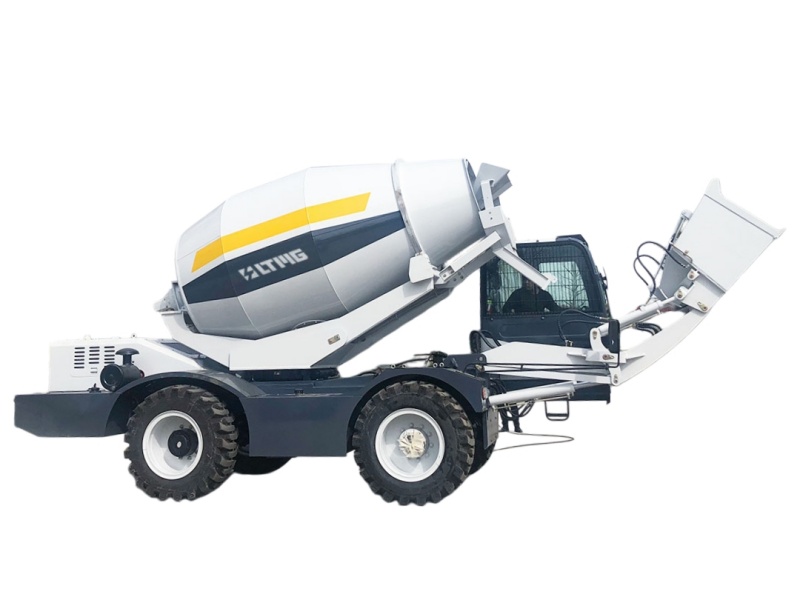
Le camion malaxeur à béton automoteur de 1 m³ allie facilité d'utilisation, visibilité accrue et production de béton efficace. Ses caméras avant et arrière, son tableau de bord numérique, son alimentation en eau temporisée et son vibrateur de déchargement optimisent la sécurité, l'homogénéité du mélange et l'efficacité du déchargement, ce qui le rend idéal pour les travaux de construction en milieu rural, les travaux routiers et les projets de petite envergure.
Modèle :
LTM10Lester :
5500 KGLongueur Largeur hauteur :
5050×2350×3500 mm


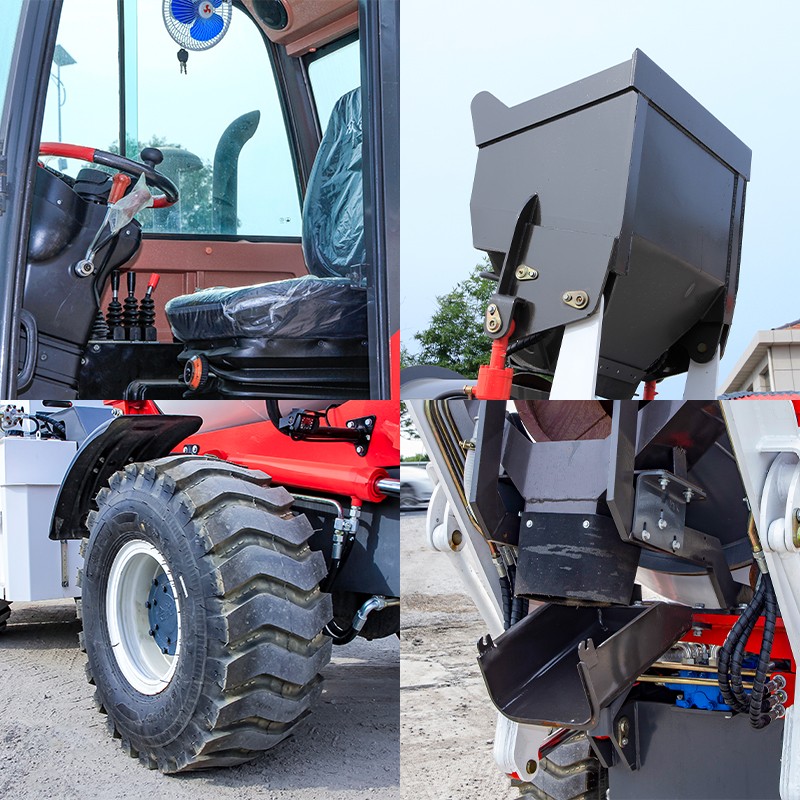
Caractéristiques du mélangeur à chargement automatique
1. Visibilité et confort de conduite améliorés : Équipé de caméras avant et arrière, d’un écran et d’un siège à suspension de luxe, le camion malaxeur offre une meilleure visibilité, un fonctionnement plus sûr et une expérience de conduite plus confortable sur les chantiers exigeants.
2. Instrumentation pratique et surveillance intelligente : le tableau de bord numérique permet aux opérateurs de surveiller clairement les fonctions clés de la machine, tandis que le système de contrôle intégré simplifie les opérations quotidiennes et améliore l’efficacité du travail.
3. Alimentation en eau rapide et mélange efficace : Doté d'une alimentation en eau programmée, d'une pompe auto-amorçante diesel et d'une aspiration d'eau hydraulique, le mélangeur assure une alimentation en eau stable et efficace pour un mélange de béton homogène et une production sur site.
4. Décharge efficace et réduction des résidus de matériaux : Le vibrateur de déchargement aide à accélérer la décharge du béton et à réduire l'accumulation de matériaux à l'intérieur du tambour de mélange, améliorant ainsi l'efficacité du déchargement et minimisant le gaspillage de matériaux.
5. Capacité de construction par tous les temps : L'éclairage LED et une cabine de luxe offrent une meilleure visibilité et un environnement de travail plus confortable, permettant au camion malaxeur à béton auto-chargeur de 1 m³ de fonctionner de manière fiable dans différentes conditions de travail et d'allonger les heures de travail productives.
La spécification de Camion malaxeur à béton auto-chargeur
| Paramètre | Unité | LTM10 |
| Dimensions du véhicule (L × l × H) – Rotation horizontale, conduite bidirectionnelle | mm | 5050×2350×3500 (Bras de levage) ; 6400×2350×2730 (Bras d'abaissement) |
| Dimensions du véhicule (L × l × H) – Pas de rotation horizontale, conduite bidirectionnelle | mm | 5250×2350×3300 (Bras de levage) ; 6650×2350×2700 (Bras d'abaissement) |
| Empattement | mm | 2180 |
| Largeur de voie | mm | 1490 |
| Poids total | kg | 5500 |
| Moteur | / | YN26GBZ |
| Pouvoir | kW | 55 |
| Boîte de vitesse | / | 265 intégrés |
| Essieu moteur | / | Essieu réducteur latéral de roue de 1,8 T |
| Pneu | / | 20,5/70-16 |
| Capacité du seau | m³ | 0,35 |
| Capacité d'agitation | m³ | 1 |
| Taux de réduction | / | 1:24 |
| Vitesse de rotation | tours/minute | ≥15 |
| Réducteur | / | Fabriqué en Chine |
| vitesse de course | km/h | 35 |
| Numéro d'arbre Type de traction | / | 4×4 |
| Capacité du réservoir d'eau | L | 300 |
| Capacité du réservoir de diesel | L | 90 |
| Capacité du réservoir hydraulique | L | 120+18 |
Grâce aux innovations technologiques, la configuration et les paramètres de nos produits continueront d'évoluer sans préavis ;
En cas de doute, la confirmation spécifique de nos ventes commerciales internationales fera foi ;

FAQ
R : Pas nécessairement. La puissance du moteur d'une bétonnière automotrice doit être adaptée à la capacité de sa cuve, à sa transmission, à son système hydraulique, au terrain, à l'altitude de travail et aux conditions d'exploitation. Choisir un moteur inutilement puissant risque d'augmenter la consommation de carburant sans pour autant accroître la productivité, surtout si la transmission et le système hydraulique restent inchangés. Le moteur doit donc être sélectionné en fonction de la charge de travail réelle de la machine et des exigences du chantier.
Q : Une bétonnière automotrice de plus grande capacité permet-elle toujours de réduire les coûts de production du béton ?
R : Pas toujours. Une bétonnière automotrice de plus grande capacité peut produire davantage de béton par gâchée, mais elle peut aussi nécessiter plus de carburant, un investissement plus important et un espace d'exploitation plus conséquent. Pour les chantiers dont la demande quotidienne en béton est limitée ou dont l'espace de travail est restreint, une bétonnière plus petite peut offrir une meilleure efficacité globale et des coûts d'exploitation moindres. La capacité idéale de la bétonnière doit être choisie en fonction du volume de béton requis, des conditions du chantier et de l'envergure du projet.
Q : Quelles dimensions de bétonnière automotrice dois-je envisager pour un chantier étroit ?
A : Pour un chantier exigu, tenez compte de la largeur, de la hauteur, de l'empattement, du rayon de braquage, de la portée du godet et du dégagement de déchargement du béton de la machine. Un espace suffisant est nécessaire non seulement pour le passage de la bétonnière autochargeuse sur le chantier, mais aussi pour le chargement des granulats, les manœuvres, les virages et le déchargement du béton en toute sécurité. Communiquer à l'avance les contraintes d'accès (largeur et hauteur) au chantier permettra de déterminer le modèle de bétonnière le plus adapté.
Q : Quels pneus sont les mieux adaptés à une bétonnière automotrice travaillant sur un terrain boueux ou rocailleux ?
A : Le choix des pneus doit être adapté aux conditions spécifiques du chantier. Sur les chemins boueux, les sols meubles et les terrains instables, les pneus tout-terrain à crampons profonds offrent une meilleure traction et améliorent la mobilité de la bétonnière autochargeuse. Sur les chantiers rocailleux, les pneus renforcés ou robustes sont plus appropriés car ils offrent une meilleure résistance aux crevaisons et aux dommages aux flancs. Le type de pneu doit être choisi en fonction de la charge de la machine, du terrain et des conditions d'utilisation.
MOTS CLÉS :
Tél : +86 195 5920 7570
E-mail : market@ltmg.com
WhatsApp : +86 195 5920 7570
Ajouter : LTMG Group, Electronics City(Xiamen) International Innovation Center, No.23, Duiying Road, Jimei District, Xiamen, China
Obtenez les dernières informations sur le produit et les informations sur l'offre