Blog
  • How to Choose the Right Bulldozer for Your Construction Project?
    How to Choose the Right Bulldozer for Your Construction Project? Jul 31, 2026
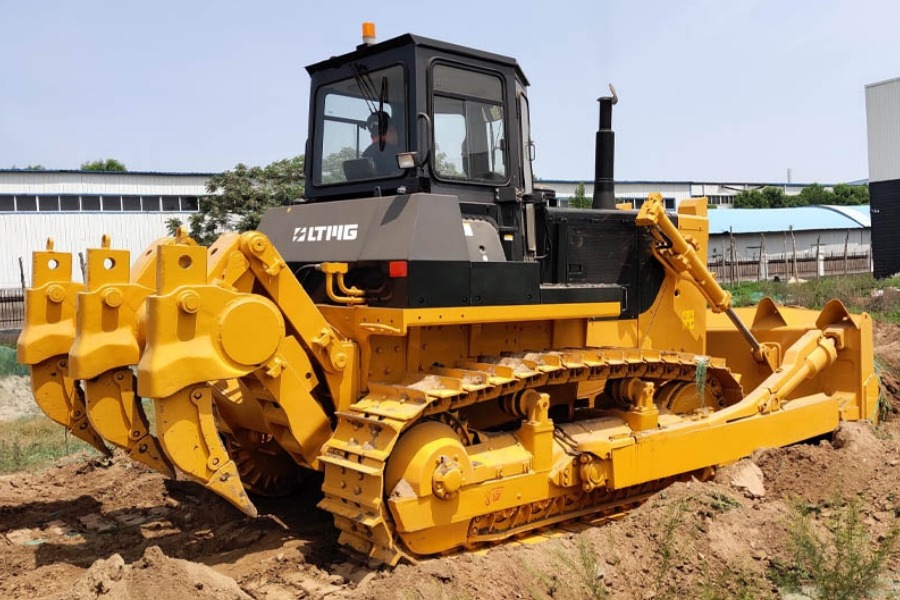
    Bulldozers are essential construction machines widely used for earthmoving, land leveling, site preparation, and large-scale construction projects. From road construction and infrastructure development to mining and land preparation, the right bulldozer can significantly improve work efficiency and reduce operating costs. However, different construction projects require different types of bulldozers. For example: Small and medium earthmoving projects need versatile and cost-effective equipment; Large construction projects require higher power and stronger pushing capability; Projects involving multiple job sites may prioritize mobility and transportation efficiency. So, how do you choose the right bulldozer for your construction project? In this guide, we will explain the main bulldozer applications, the differences between crawler bulldozers and wheel bulldozers, and introduce LTMG bulldozer solutions for different construction needs. What Is a Bulldozer Used For? A bulldozer is a heavy-duty construction machine mainly designed for pushing, leveling, and moving large amounts of soil, sand, gravel, and other materials. With powerful engines and durable undercarriage systems, bulldozers are commonly used in: Earthmoving projects; Road construction; Infrastructure development; Mining operations; Land preparation. Common Bulldozer Applications in Construction Projects Earthmoving and Site Preparation One of the most common bulldozer applications is earthmoving and land preparation. During construction projects, bulldozers can be used for: Moving soil and materials; Leveling construction sites; Preparing foundations; Clearing and grading land. For projects that require continuous earthmoving operations, a reliable bulldozer can improve productivity and reduce manual work. Road Construction Bulldozers play an important role in road construction projects before paving and compaction. They are commonly used for: Preparing road foundations; Leveling terrain; Moving filling materials; Creating construction access areas. Compared with smaller equipment, bulldozers provide stronger pushing force and better efficiency for large-scale road projects. Mining and Large Infrastructure Projects Mining sites and large infrastructure projects often require equipment that can operate under demanding conditions. Heavy-duty bulldozers are suitable for these applications because they provide: Strong pushing capability; High durability; Reliable performance during long working hours. Crawler Bulldozer vs Wheel Bulldozer: What Is the Difference? When selecting a bulldozer, understanding the difference between crawler and wheel models is important. Crawler Bulldozer A crawler bulldozer uses a track-type undercarriage, providing a larger ground contact area and stronger traction. Main advantages: Excellent stability on uneven terrain; Strong traction force; Better performance on soft or challenging ground conditions. Crawler bulldozers are commonly used for: Earthmoving projects; Road construction; Mining support; Large infrastructure projects. Wheel Bulldozer A wheel bulldozer uses tires instead of tracks, providing higher travel speed and better mobility. Main advantages: Faster movement between job sites; Easier transportation; Better efficiency on hard surfaces. Wheel bulldozers are suitable for: Road maintenance; Municipal projects; Projects requiring frequent equipment relocation. LTMG Bulldozer Solutions for Different Construction Needs LTMG provides crawler bulldozers and wheel bulldozers designed for different construction applications, from general earthmoving projects to heavy-duty infrastructure operations. LTMG T160 160HP Crawler Bulldozer: A Versatile Choice for General Construction For general earthmoving, road construction, and site preparation projects, contractors need a bulldozer that provides reliable performance and adaptability. The LTMG T160 Crawler Bulldozer features a crawler undercarriage that delivers strong traction and stability, making it suitable for soil pushing, land leveling, and construction site preparation. Powered by a Weichai WD10G178E25 engine, the T160 delivers 160 HP of rated power and has an operating weight of approximately 16.4 tons. Equipped with 510 mm track shoes, it can maintain stable operation in different working environments. Main Specifications: Specification Value Model T160 Engine Weichai WD10G178E25 Rated Power 160 HP Operating Weight 16.4 Ton Blade Capacity 4.55 m³ Track Shoe Width 510 mm T160 Crawler Bulldozer Applications: Earthmoving projects; Road construction; Land leveling; Construction site preparation. For customers looking for a reliable bulldozer with balanced performance and versatility, the LTMG T160 is a practical solution. LTMG T220 220HP Crawler Bulldozer: Heavy-Duty Solution for Large Projects Large-scale earthmoving projects and infrastructure construction require bulldozers with higher power output and stronger working capability. The LTMG T220 Crawler Bulldozer is designed for heavy-duty applications. Equipped with a Cummins NT855-C280S10 engine, the machine delivers 220 HP rated power and has an operating weight of approximately 23,500 kg. Compared with medium-duty bulldozers, the T220 provides stronger pushing performance and is better suited for demanding construction environments. Main Specifications: Specification Value Model T220 Engine Cummins NT855-C280S10 Rated Power 220 HP Operating Weight 23,500 kg Blade Capacity 6.4 m³ Track Shoe Width 560 mm T220 Crawler Bulldozer Applications: Large-scale earthmoving projects; Infrastructure construction; Mining support operations; Large site development. With higher power output and larger operating capacity, the T220 helps improve productivity for heavy-duty construction projects. LTMG TL220 220HP Wheel Bulldozer: High-Mobility Construction Solution Compared with crawler bulldozers, wheel bulldozers offer higher travel efficiency and are better suited for projects requiring frequent equipment movement. The LTMG TL220 Wheel Bulldozer combines powerful performance with a wheel-type undercarriage, allowing operators to move between different working areas more efficiently. Main Specifications: Specification Value Model TL220 Rated Power 220 HP Operating Weight 15,500 kg TL220 Wheel Bulldozer Applications: Road construction; Municipal projects; Site preparation; Multi-location construction projects. For projects where equipment mobility and transportation efficiency are important, the TL220 provides a flexible bulldozer solution. How to Choose the Right Bulldozer for Your Project? Different construction projects require different bulldozer solutions. Choose LTMG T160 Crawler Bulldozer if you need: General earthmoving capability; Road construction support; Land leveling performance; A versatile construction machine. Choose LTMG T220 Crawler Bulldozer if you need: Large-scale earthmoving; Heavy-duty operation; Continuous construction performance; Higher pushing power. Choose LTMG TL220 Wheel Bulldozer if you need: Frequent equipment relocation; Higher travel efficiency; Flexible operation across multiple sites. Conclusion Choosing the right bulldozer can help contractors improve construction efficiency, reduce operating costs, and complete projects more effectively. LTMG provides crawler bulldozers, wheel bulldozers, and complete construction equipment solutions, including excavators, wheel loaders, road rollers, and concrete machinery, to meet different project requirements. Whether you need a powerful bulldozer for large-scale earthmoving or a highly mobile solution for flexible construction operations, LTMG can provide the right equipment recommendation for your project. Contact LTMG today to get professional bulldozer solutions and quotation support.  
  • Backhoe Loader vs Excavator: How to Choose the Right Equipment for Your Project
    Backhoe Loader vs Excavator: How to Choose the Right Equipment for Your Project Jul 24, 2026
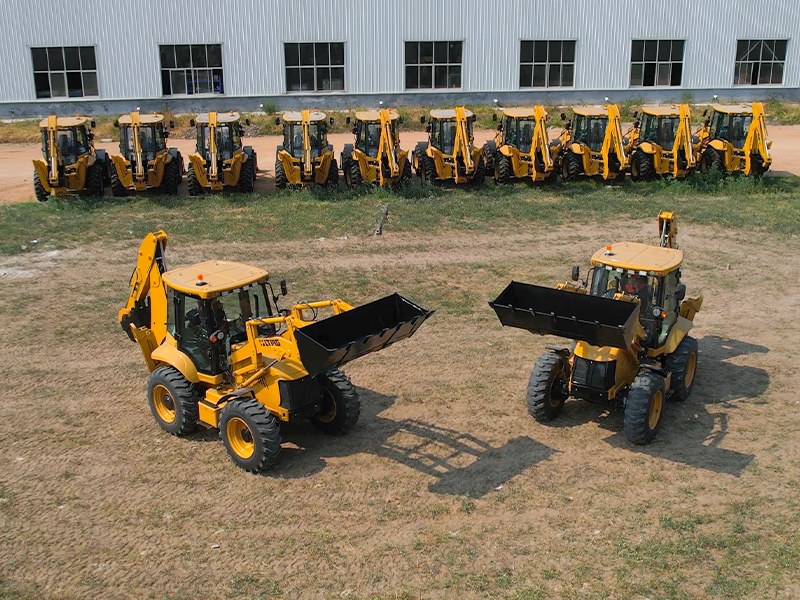
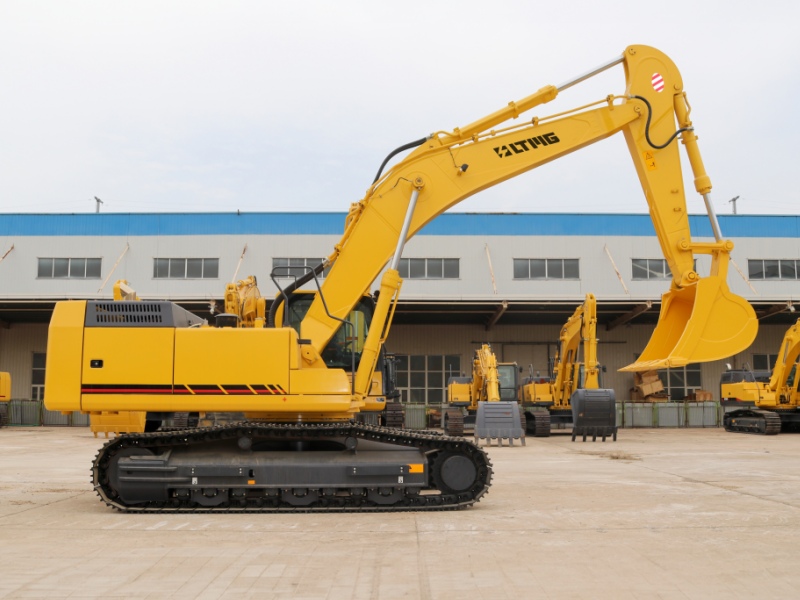
    In construction, road building, and earthmoving projects, choosing the right equipment can directly impact work efficiency, operating costs, and equipment utilization. When it comes to excavation tasks, many customers need to choose between a backhoe loader and an excavator. Although both machines can perform digging operations, they are designed for different purposes. A backhoe loader focuses on versatility, combining digging, loading, and material handling capabilities in one machine, making it suitable for projects that require multiple functions. An excavator is designed for more specialized excavation work, offering stronger digging performance, a larger working range, and higher productivity for large-scale earthmoving and heavy construction projects. So, what is the difference between a backhoe loader and an excavator, and which one is the right choice for your project? In this article, we will compare these two types of construction equipment based on different application needs and help you find the right solution with LTMG. Backhoe Loader: A Flexible Choice for Multi-Purpose Construction Projects In many construction projects, customers do not always need a large excavator to perform a single excavation task. Instead, they often look for one machine that can handle multiple daily construction operations. For example, in road maintenance, municipal construction, and agricultural projects, equipment may be required to perform tasks such as: Digging trenches; Moving soil and construction materials; Clearing job sites; Loading sand, gravel, and other materials. Purchasing both an excavator and a loader can significantly increase equipment investment, while also adding transportation, maintenance, and management costs. Therefore, for medium-scale projects with diverse tasks, a backhoe loader is often a more flexible and cost-effective solution. A backhoe loader combines a front loader bucket with a rear excavating attachment, allowing one machine to perform two major functions: digging and loading. Compared with dedicated construction equipment, its biggest advantages are versatility and adaptability on different job sites. Backhoe loaders are commonly used for: Road maintenance and foundation construction; Pipeline installation and trench excavation; Agricultural land preparation; Municipal maintenance projects; Small-scale construction work. For contractors who frequently switch between different tasks or operate across multiple job sites, a backhoe loader can reduce the need for multiple machines and improve overall work efficiency. In the following section, we will introduce the LTMG BLT388H backhoe loader and explore how it meets different application requirements across various construction scenarios. LTMG BLT388H Backhoe Loader: A Versatile Solution for Multi-Task Construction Applications For road maintenance, municipal construction, and small to medium-sized construction projects, job sites often require multiple operations, including excavation, loading, and material handling. Using separate machines for each task can increase equipment management complexity while reducing overall operational efficiency. The LTMG BLT388H backhoe loader features a front loader bucket and a rear excavating arm, combining loading and digging capabilities into one machine. Compared with single-purpose construction equipment, the BLT388H is better suited for projects that require frequent switching between different tasks. Designed with a compact structure, the BLT388H provides excellent flexibility while meeting various construction requirements. Its 1.2 m³ front loader bucket is suitable for transporting soil, gravel, and construction materials, while the 0.3 m³ rear excavator bucket is ideal for trench digging, pipeline installation, and foundation work. BLT388H Main Specifications Specification Value Operating Weight Approx. 10,050 kg Engine Power 75 kW Rated Load Capacity 2,500 kg Loader Bucket Capacity 1.2 m³ Excavator Bucket Capacity 0.3 m³ Key Advantages of BLT388H Backhoe Loader Multi-functional Performance: Combines excavation and loading capabilities in one machine, reducing the need for multiple equipment investments and improving overall cost efficiency. Flexible Operation: Suitable for projects requiring frequent task changes, allowing operators to perform digging, loading, material handling, and site cleaning operations. Strong Application Adaptability: Compared with larger excavators, the BLT388H is more suitable for scattered job sites and projects with diverse construction requirements. High Equipment Utilization: One machine can handle multiple daily construction tasks, helping contractors improve equipment utilization and operational efficiency. BLT388H Applications The LTMG BLT388H backhoe loader is particularly suitable for: Road repair and maintenance projects; Pipeline installation and trench excavation; Agricultural land preparation; Municipal infrastructure maintenance; Small and medium-sized construction projects. For customers looking for a single machine that can handle multiple construction tasks while improving productivity and controlling equipment costs, the LTMG BLT388H backhoe loader provides an efficient and economical solution. Excavator: The Ideal Choice for Large-Scale Earthmoving and Heavy-Duty Construction For large-scale earthmoving projects, foundation construction, and applications requiring long hours of continuous operation, a crawler excavator is often a more efficient equipment choice. Compared with a backhoe loader, an excavator is specifically designed for heavy-duty digging operations. It offers stronger excavation performance, a larger working range, and higher productivity, making it suitable for large construction projects that require powerful performance and continuous operation capability. Excavators are widely used in: Large-scale earthmoving projects; Road construction and infrastructure development; Mining and quarry operations; Large construction projects; Soil and material handling applications. In these applications, equipment is typically required to handle large volumes of soil, rock, and other heavy materials over extended working periods. Choosing the right excavator size and configuration can not only improve productivity but also reduce the operating cost per unit of work in large-scale projects. LTMG provides crawler excavator solutions in different tonnage ranges, allowing customers to select the right equipment based on project scale, working environment, and specific application requirements. In the following section, we will introduce an LTMG crawler excavator designed for heavy-duty construction applications and explore how it delivers reliable performance in demanding job sites. LTMG LTE330 33 Ton Crawler Excavator: A High-Efficiency Solution for Large-Scale Construction Projects The LTMG LTE330 33 Ton Crawler Excavator is a heavy-duty excavator designed for large-scale earthmoving projects and demanding construction environments. It is ideal for applications that require continuous operation, high productivity, and reliable performance. Compared with standard excavation equipment, the LTE330 features a heavier operating weight, a more powerful engine system, and enhanced digging performance. It is designed to meet the needs of large construction sites, including earth excavation, material handling, and long-duration heavy-duty operations. The LTE330 is powered by a Cummins 6LTAA8.9 engine with a rated power of 242 kW. With an operating weight of approximately 32,500 kg, a 1.6 m³ bucket capacity, and a maximum digging force of 227 kN, this 33 ton excavator delivers strong performance for challenging job sites. Its powerful powertrain and reliable hydraulic system ensure stable operation even under high-load working conditions. LTE330 Main Specifications Specification Value Operating Weight 32,500 kg Engine Power 242 kW Bucket Capacity 1.6 m³ Maximum Digging Force 227 kN Engine Brand Cummins Key Advantages of LTE330 Crawler Excavator Powerful Performance: The high-power engine combined with a reliable hydraulic system provides the power required for large-scale earthmoving projects. Efficient Excavation Capability: Higher digging force and larger bucket capacity improve material handling efficiency and increase productivity on demanding job sites. Durable and Stable Structure: Reinforced boom, arm, and undercarriage structures make the LTE330 suitable for long-term heavy-duty operations. Reliable Hydraulic System: The Kawasaki hydraulic pump ensures stable power transmission and improves overall equipment reliability. LTE330 Applications The LTMG LTE330 crawler excavator is widely used for: Large-scale earthmoving projects; Mining support operations; Infrastructure construction; Large road construction projects; Heavy-duty building construction. For customers who require continuous large-scale excavation operations and want to improve productivity while reducing operating costs, the LTMG LTE330 33 ton crawler excavator provides a reliable and efficient heavy-duty construction solution. Backhoe Loader vs Excavator: How to Choose the Right Equipment? Comparison Backhoe Loader Excavator Core Functions Combines digging, loading, and material handling capabilities in one machine Designed for heavy-duty excavation and large-scale earthmoving operations Main Advantages Multi-purpose performance, suitable for projects requiring frequent task changes Powerful digging capability and higher productivity Ideal Applications Road maintenance, municipal projects, agricultural work, and multi-task construction Large-scale earthmoving, infrastructure construction, and mining support operations Working Characteristics Flexible and versatile, capable of handling various daily construction tasks Built for long hours of continuous operation and heavy-duty workloads Key Selection Factors Suitable for projects looking to reduce the number of machines and improve equipment utilization Suitable for projects requiring higher excavation capacity and greater construction efficiency If your project requires one machine to handle digging, loading, and multiple construction tasks, the LTMG BLT388H backhoe loader is a more flexible choice. If your project involves large-scale excavation, heavy-duty construction, and long-duration continuous operations, the LTMG LTE330 33 ton crawler excavator provides higher productivity and stronger digging performance. Choose the Right LTMG Construction Equipment for Your Project Choosing the right construction equipment can help improve work efficiency and reduce long-term operating costs. LTMG provides reliable construction machinery solutions, including backhoe loaders, crawler excavators, wheel loaders, skid steer loaders, and other equipment for different construction applications. Whether you need a versatile machine for daily operations or a powerful excavator for large-scale projects, LTMG can provide the right equipment solution for your needs. Contact LTMG today for professional equipment recommendations and a quotation.
  • Self Loading Concrete Mixer Buying Guide: How to Select the Best Model for Your Construction Project
    Self Loading Concrete Mixer Buying Guide: How to Select the Best Model for Your Construction Project Jul 24, 2026
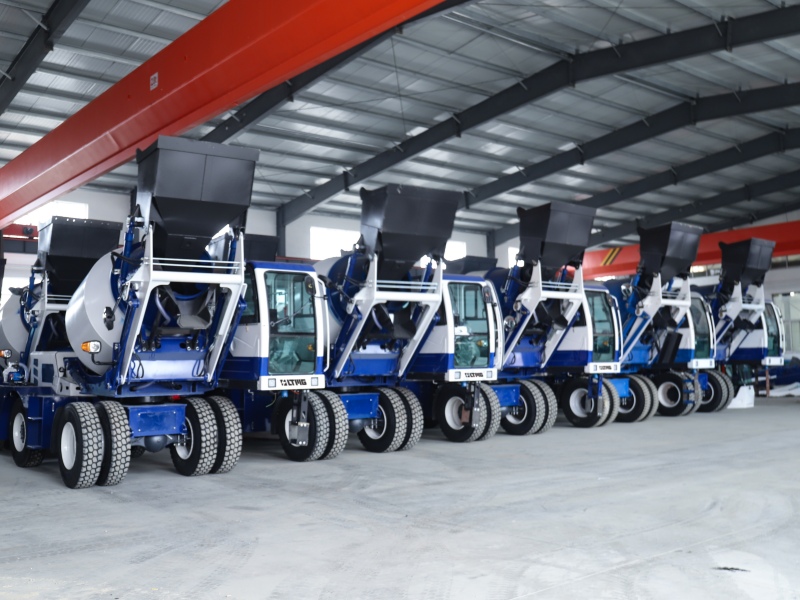
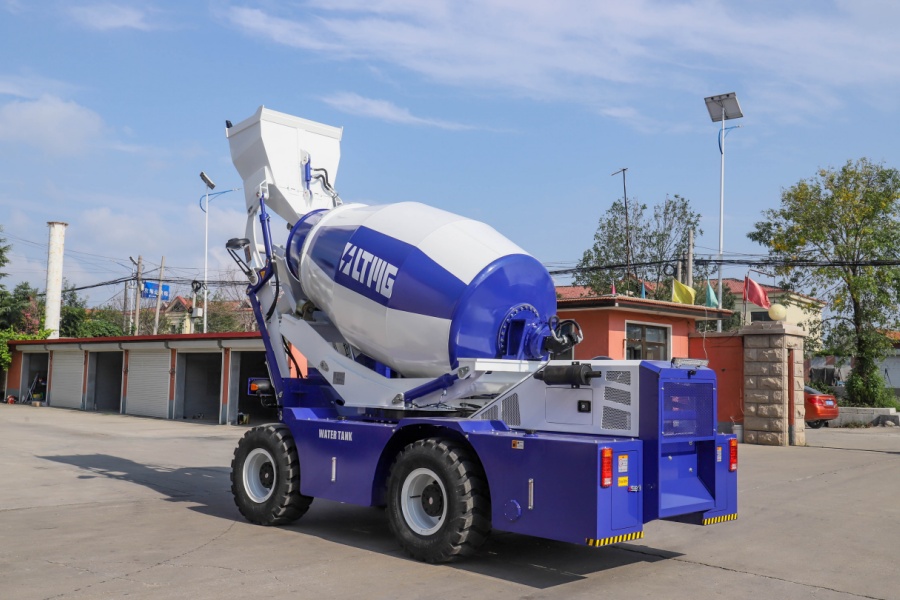
    In road construction, residential projects, and infrastructure development, a reliable concrete supply is essential for ensuring construction efficiency and controlling costs. However, traditional concrete supply methods can be challenging for remote areas, small projects, and mobile construction sites due to high transportation costs and limited flexibility. A Self Loading Concrete Mixer integrates loading, weighing, mixing, transporting, and discharging functions into one machine, allowing concrete production directly on-site. This guide will help you understand how to choose the right Self Loading Concrete Mixer model based on your project requirements, application scenarios, and equipment performance. When Should You Choose a Self Loading Concrete Mixer? A Self Loading Concrete Mixer is not the only option for every construction project, but it can provide greater flexibility and cost efficiency in the following scenarios. 1. Construction Sites Far Away from Commercial Concrete Supply Stations For rural road construction, mountain projects, mining areas, and remote infrastructure projects, construction sites are often located far from urban areas. Relying on external concrete suppliers may result in: Long transportation distances; Higher concrete delivery costs; Increased waiting time during construction; Limited availability of local concrete suppliers. A Self Loading Concrete Mixer can load raw materials and produce concrete directly at the construction site, reducing dependence on fixed batching plants. It is especially suitable for: Rural road construction; Mining infrastructure projects; Remote construction projects; Sites without access to reliable concrete supply facilities. 2. Projects Requiring Frequent Movement Between Construction Sites Some construction projects are not limited to a single fixed location, such as: Road maintenance projects; Pipeline construction; Small-scale infrastructure projects; Multi-location continuous construction projects. Traditional concrete supply methods require continuous transportation of ready-mixed concrete, while fixed batching plants cannot easily adapt to changing construction locations. A Self Loading Concrete Mixer offers excellent mobility, allowing operators to adjust the working location according to project progress and produce concrete quickly in different areas. For companies that require flexible construction solutions, this equipment can reduce transportation and equipment scheduling costs while improving overall efficiency. 3. Projects Requiring Flexible Concrete Production Capacity For small and medium-sized construction projects, daily concrete demand may vary depending on the construction stage. Examples include: Residential construction; Small commercial buildings; Agricultural facility construction; Small-scale road projects. Building a large fixed batching plant may result in low equipment utilization and unnecessary investment. A Self Loading Concrete Mixer allows operators to produce the required amount of concrete based on actual construction needs, helping to: Reduce material waste; Lower equipment investment; Improve construction flexibility. Self Loading Concrete Mixer vs. Traditional Concrete Supply Methods When choosing concrete equipment, companies usually need to compare the differences between on-site concrete production solutions and traditional concrete supply methods. Comparison Factor Self Loading Concrete Mixer Traditional Concrete Supply Production Method Produces concrete directly at the construction site Relies on external concrete suppliers Equipment Requirements One machine integrates multiple functions Requires loaders, mixing equipment, and transportation vehicles Construction Flexibility High mobility and flexible on-site operation Limited by supply locations and transportation conditions Suitability for Remote Areas Strong adaptability Higher transportation costs Concrete Supply Control Produces concrete according to actual project needs Depends on supplier schedules and availability For projects with scattered construction sites, limited infrastructure conditions, or the need for quick response, a Self Loading Concrete Mixer is often a more flexible and efficient concrete production solution. How to Choose the Right Self Loading Concrete Mixer? When choosing a Self Loading Concrete Mixer, price is not the only factor to consider. Project scale, working conditions, and equipment usage frequency all play an important role in the final decision. During the purchasing process, buyers should focus on the following three aspects: 1. Choose the Right Capacity Based on Concrete Demand Concrete demand is one of the most important factors when selecting equipment capacity. For projects with lower concrete requirements, scattered construction sites, or frequent equipment relocation, a compact Self Loading Concrete Mixer usually offers better flexibility and mobility. For projects such as road construction and infrastructure development that require continuous concrete supply, equipment with higher production capacity should be considered to reduce mixing cycles and improve construction efficiency. When selecting the right capacity, it is recommended to evaluate the daily concrete demand, project duration, and construction frequency together. 2. Select the Equipment Type Based on Construction Conditions The conditions of the construction site directly affect equipment suitability. If the working area is limited, road conditions are complex, or the equipment needs to be frequently moved, a compact and highly maneuverable model is usually a better choice. For large-scale construction projects, especially those requiring continuous pouring or stable concrete supply, priority should be given to equipment with higher production efficiency and continuous operating capability. 3. Consider Long-Term Operating Costs Construction machinery is a long-term investment. In addition to the initial purchase price, buyers should also consider the overall operating costs of the equipment. Choosing an integrated machine that combines loading, mixing, and transportation functions can reduce the need for additional equipment while lowering labor and maintenance costs. At the same time, spare parts availability and after-sales service support from the supplier are also important factors to consider during the purchasing process. LTMG Self Loading Concrete Mixer Solutions To meet the needs of different construction projects, LTMG provides a range of Self Loading Concrete Mixer solutions, helping customers select the right model based on their working environment and concrete production requirements. LTMG26 Self Loading Concrete Mixer: A Flexible Solution for Various Construction Projects For projects with limited working space, scattered construction locations, or frequent equipment relocation, a compact and highly maneuverable Self Loading Concrete Mixer can provide better adaptability and efficiency. The LTMG26 Self Loading Mixer for Construction Projects is designed for small and medium-sized construction applications. It features a 2.6 m³ mixing capacity per batch and can complete up to 4 mixing cycles per hour, achieving a maximum output of approximately 10.4 m³/h to meet daily concrete supply requirements. The LTM26 has an operating weight of approximately 7,000 kg and dimensions of 7,150 mm × 2,650 mm × 3,000 mm. Its compact design makes it especially suitable for construction sites with limited space or projects across multiple locations. The LTMG26 is suitable for: Residential construction projects; Rural infrastructure development; Small-scale road construction; Construction sites with limited operating space. The key advantage of the LTM26 is its flexibility. The machine integrates loading, mixing, transportation, and discharging functions into one unit, eliminating the need for additional loaders and transport equipment while reducing the number of machines required on site. In addition, the equipment features hydraulic articulated steering and a maximum climbing ability of 40°, allowing it to adapt to challenging working conditions. The mixing drum supports 270° horizontal rotation, making concrete discharge easier at different positions and improving on-site operating convenience. For customers with moderate concrete demand and frequently changing construction locations, the LTMG26 Self Loading Concrete Mixer offers an ideal balance between productivity and flexibility. LTMG42 4.2m³ Self Loading Concrete Mixer: A High-Efficiency Solution for Construction Projects For road construction, infrastructure projects, and large-scale construction applications that require a continuous concrete supply, equipment productivity and continuous operating capability become increasingly important. The LTMG42 4.2m³ Self Loading Concrete Mixer features a 4.2 m³ mixing capacity per batch and can complete up to 5 mixing cycles per hour, achieving a maximum output of approximately 20 m³/h. It is designed for construction projects with higher requirements for concrete supply efficiency. The LTM42 has an operating weight of approximately 9,500 kg and dimensions of 7,500 mm × 2,950 mm × 3,500 mm. Compared with compact models, it provides higher production capacity and is better suited for long-term and continuous construction operations. The LTMG42 is suitable for: Highway construction; Infrastructure development projects; Commercial building projects; Large-scale concrete construction applications. The LTM42 is equipped with an automatic loading, weighing, and mixing system, which reduces manual operations and improves on-site concrete production efficiency. It is powered by a Yuchai YCD4P22T 125 diesel engine with a rated power of 91 kW and features four-wheel drive capability. With a maximum climbing ability of 45°, it can handle a wider range of challenging construction environments. In addition, the mixing drum supports 270° rotation, and the discharge height reaches 2.2 m, improving unloading convenience at different construction locations. For projects that require a stable concrete supply and higher construction efficiency, the LTMG42 Self Loading Concrete Mixer provides greater productivity and stronger continuous operating capability. Conclusion A Self Loading Concrete Mixer integrates loading, mixing, transportation, and discharging functions into one machine, providing a more flexible and efficient concrete supply solution for modern construction projects. Choosing the right equipment requires comprehensive consideration of project scale, concrete demand, working conditions, and long-term operating requirements. The right model can not only meet construction needs but also help companies improve productivity and reduce operating costs. If you are looking for a suitable Self Loading Concrete Mixer for your construction project, the LTMG team can provide professional equipment selection advice and customized solutions based on your specific requirements. Contact us today to get more product information and a quotation.  
  • Wheel Loader vs Skid Steer Loader: How to Choose the Right Machine for Your Project?
    Wheel Loader vs Skid Steer Loader: How to Choose the Right Machine for Your Project? Jul 20, 2026
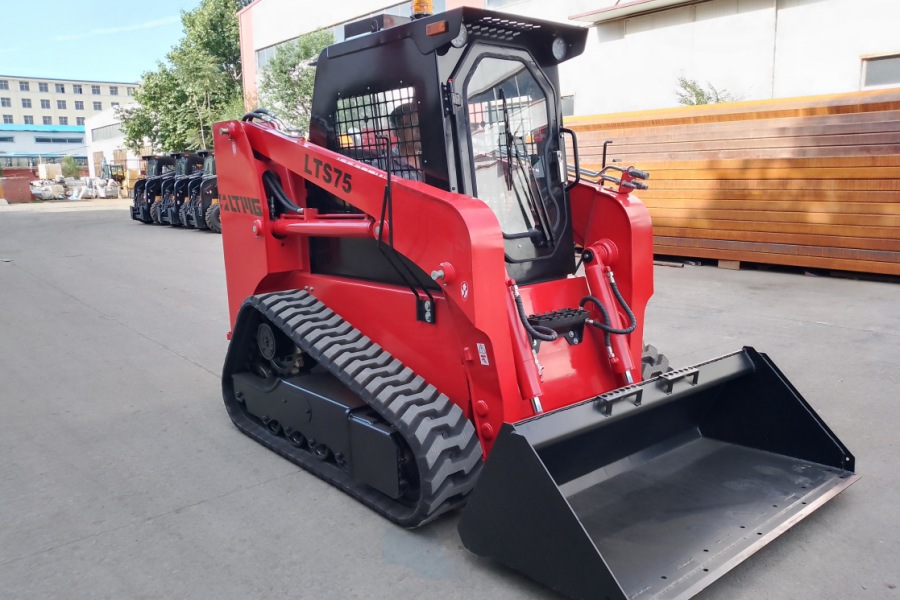
    Choosing the right loading equipment can directly affect construction efficiency and operating costs in construction, earthmoving, and material handling projects. For projects that require large volumes of material handling, wheel loaders are often the preferred choice due to their higher loading capacity and ability to perform continuous heavy-duty operations. For projects with limited working space that require greater flexibility and maneuverability, skid steer loaders provide a more suitable solution. So, what is the difference between a wheel loader and a skid steer loader? Which machine is the right choice for your project? This article will compare wheel loaders and skid steer loaders based on different applications and introduce LTMG loader solutions to help you select the right equipment. Wheel Loader: Ideal Choice for Heavy Material Handling and High-Efficiency Operations For construction projects that require efficient earthmoving, gravel loading, and material transportation, a wheel loader is usually the more suitable choice. Compared with skid steer loaders, wheel loaders offer higher loading capacity, stronger stability, and better performance for continuous operation. They are designed to handle large amounts of materials efficiently in demanding construction environments. Wheel loaders are commonly used for: Earthmoving projects; Road construction; Sand and gravel yards; Infrastructure projects; Mining support operations. Next, we will introduce two LTMG wheel loader models designed for different project requirements. LTMG LT958 5 Ton Wheel Loader: Recommended for General Construction Projects The LTMG LT958 5 ton wheel loader is a versatile machine designed for construction projects, earthmoving operations, and daily material handling applications. With a reliable power system, strong loading performance, and high operating efficiency, LT958 is suitable for customers looking for a dependable wheel loader for medium-sized construction projects. LT958 features a rated load capacity of 5,000 kg, an operating weight of approximately 17.4 tons, a 3 m³ bucket, a 162 kW engine, and a maximum breakout force of 147 kN. The large bucket capacity and strong power output enable LT958 to efficiently handle soil, gravel, and construction materials. For customers who need a balance between equipment performance, operating cost, and flexibility, LT958 is an ideal general-purpose wheel loader for long-term use. It can meet daily loading requirements while adapting to different material handling conditions. LT958 is mainly suitable for: Construction projects; Earthmoving operations; Sand and gravel loading; Material transfer at concrete mixing plants. LTMG LT978 7 Ton Wheel Loader: Recommended for Large-Scale Projects and Heavy Material Handling The LTMG LT978 7 ton wheel loader is designed for large-scale earthmoving projects, mining support operations, and heavy-duty material handling applications. Compared with LT958, LT978 offers a higher rated load capacity, larger bucket capacity, and stronger power output, making it more suitable for handling large volumes of high-density materials such as soil, gravel, and mining materials. LT978 features a rated load capacity of 7,000 kg, an operating weight of approximately 24,300 kg, a 4-6 m³ bucket, a 199 kW engine, and a maximum breakout force of 202 kN. The larger bucket capacity and stronger breakout force help reduce loading cycles and improve material handling efficiency in large construction environments. For applications such as sand and gravel yards, mining support, and large infrastructure projects, equipment needs to perform reliably under long hours of heavy-duty operation. With higher productivity and stronger working capability, LT978 is better suited for projects that require continuous handling of large quantities of materials. LT978 is mainly suitable for: Sand and gravel yards; Mining support operations; Large infrastructure projects; Large-scale earthmoving projects. Comparison LT958 5 Ton Wheel Loader LT978 7 Ton Wheel Loader Product Positioning General-purpose construction wheel loader Heavy-duty wheel loader Rated Load Capacity 5,000 kg 7,000 kg Bucket Capacity 3 m³ 4-6 m³ Key Advantages Balanced performance, operating cost, and flexibility Higher loading capacity for heavy-duty operations Recommended Applications Construction projects, earthmoving, material transfer Sand and gravel yards, mining support, large-scale earthmoving projects Skid Steer Loader: Ideal Choice for Small Spaces and Multi-Purpose Operations For projects with limited working space, complex operating environments, or the need for one machine to perform multiple tasks, a skid steer loader is often a more flexible solution. Compared with wheel loaders, skid steer loaders feature a more compact design, allowing them to operate and maneuver effectively in confined areas. They also support a wide range of attachments, enabling operators to handle different tasks with one machine. Skid steer loaders are commonly used for: Landscaping projects; Agricultural applications; Municipal maintenance; Small construction projects; Operations in confined working areas. If your project requires frequent changes between different tasks or you need one machine for loading, cleaning, material handling, and other operations, a skid steer loader can provide greater flexibility and equipment utilization. Next, we will introduce two LTMG skid steer loader models designed for different application requirements. LTMG LTS75 Track Skid Steer Loader: Recommended for Challenging Terrain and Flexible Operations The LTMG LTS75 track skid steer loader is designed for construction environments that require better ground adaptability and operational stability. Compared with traditional wheeled skid steer loaders, the track undercarriage provides better traction and lower ground pressure, allowing the machine to operate more effectively on muddy, soft, and uneven terrain. LTS75 features a rated load capacity of 1,050 kg, an operating weight of approximately 3,800 kg, a 0.5 m³ bucket, and a 55 kW engine. The compact design combined with a track drive system allows LTS75 to access confined working areas and perform loading, material handling, and cleaning tasks in challenging conditions. For landscaping projects, agricultural applications, and construction sites with difficult ground conditions, LTS75 provides better stability and flexibility while reducing operational limitations in demanding environments. LTS75 is mainly suitable for: Landscaping projects; Agricultural applications; Muddy, soft, or uneven ground operations; Small construction projects; Site cleaning. LTMG LT75 Wheel Skid Steer Loader: High-Efficiency Solution for Multi-Purpose Operations The LTMG LT75 wheel skid steer loader is designed for customers who need higher working efficiency, faster transportation, and versatile attachment applications. Compared with track skid steer loaders, the wheeled design provides better mobility and is more suitable for frequent movement on hard surfaces and conventional construction sites. LT75 features a rated load capacity of 1,100 kg, an operating weight of approximately 3,810 kg, a 0.53 m³ bucket, and a 65 kW engine. Equipped with a high-flow hydraulic system, LT75 supports a wider range of attachments, helping operators complete loading, material handling, cleaning, and other specialized tasks. Compared with LTS75, LT75 is better suited for projects that require frequent machine movement, higher operating efficiency, and greater attachment flexibility. LT75 is mainly suitable for: Construction projects; Material handling; Agricultural applications; Multi-purpose attachment operations.   Comparison LTS75 Track Skid Steer Loader LT75 Wheel Skid Steer Loader Product Positioning Skid steer loader for challenging terrain High-efficiency multi-purpose skid steer loader Drive System Track undercarriage Wheeled design Rated Load Capacity 1,050 kg 1,100 kg Key Advantages Better traction and adaptability for muddy, soft, and uneven terrain Faster mobility and support for more attachment applications Recommended Applications Landscaping, agriculture, and challenging ground conditions Construction, material handling, and multi-purpose operations Wheel Loader vs Skid Steer Loader: Which One Should You Choose? Choosing between a wheel loader and a skid steer loader mainly depends on your working environment, project scale, and equipment requirements. Each type of machine has its own advantages. Comparison Wheel Loader Skid Steer Loader Core Advantages Higher loading capacity and material handling efficiency Greater flexibility and multi-purpose operating capability Main Applications Large-scale earthmoving, gravel handling, infrastructure projects Landscaping, small construction projects, confined working areas Working Environment Open construction areas Narrow or complex working areas Loading Capacity Higher, suitable for large-volume material handling Lower, suitable for light to medium-duty operations Operating Characteristics Ideal for long-term, continuous, high-efficiency loading tasks Suitable for frequent maneuvering and multi-purpose operations Attachment Applications Mainly focused on bucket operations Supports various attachments for versatile applications   If your project requires handling large amounts of soil, gravel, or other bulk materials every day, and the working area is relatively open, a wheel loader is usually the more suitable choice. If your project has limited space, requires frequent changes between different tasks, or needs one machine to perform loading, cleaning, material handling, and other operations, a skid steer loader provides greater flexibility. Find the Right LTMG Loader for Your Project Choosing the right loading equipment can help improve construction efficiency and reduce long-term operating costs. LTMG provides wheel loaders, skidCC steer loaders, and complete construction equipment solutions to meet different project requirements based on your application, working environment, and operational needs. Whether you need a wheel loader for heavy material handling or a skid steer loader for flexible and multi-purpose operations, LTMG can provide reliable equipment solutions for your projects. Contact LTMG today to get professional equipment recommendations and a quotation for your project.
  • Large Excavator Size Guide: 23 Ton, 33 Ton, and 40 Ton Excavators
    Large Excavator Size Guide: 23 Ton, 33 Ton, and 40 Ton Excavators Jul 14, 2026
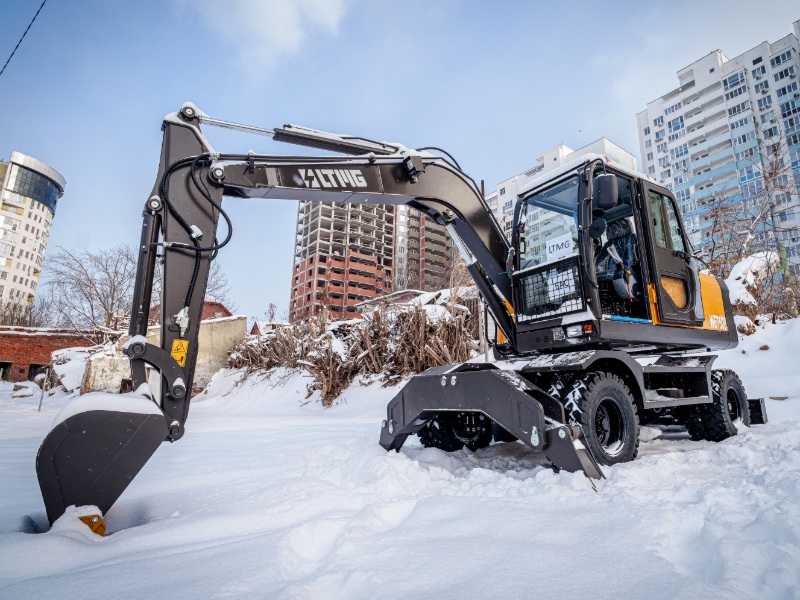
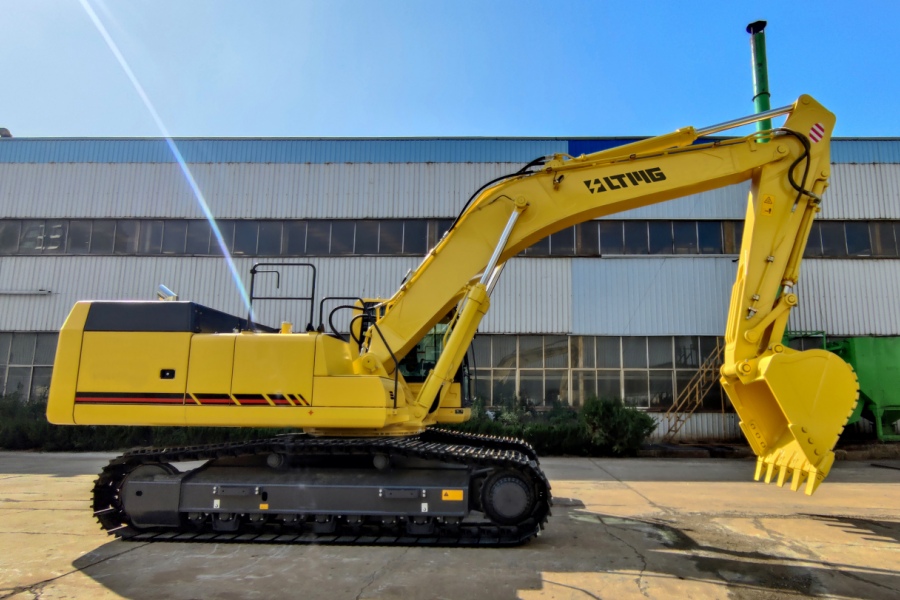
    Choosing the right large excavator is essential for maximizing productivity and controlling costs in construction projects, road construction, mining, and infrastructure development. These demanding applications require powerful digging performance, a wide working range, and reliable operation, making excavator size one of the most important factors in equipment selection. An excavator that is too small may reduce productivity and extend project timelines, while an oversized machine can increase purchase, transportation, and operating costs. Selecting the right machine for your specific job helps achieve the best balance between performance, efficiency, and long-term operating costs. In this guide, we'll compare 23 ton, 33 ton, and 40 ton excavators, explain their ideal applications, and help you choose the right LTMG crawler excavator for your project. 23 Ton Excavator: A Cost-Effective Choice for Large Construction Projects The 23 ton excavator is one of the most popular choices for large construction projects, offering an excellent balance of power, productivity, and maneuverability. Compared with excavators over 30 tons, a 23 ton crawler excavator is easier to transport and operate while still providing the performance required for most medium to large-scale construction projects. It is an ideal solution for road construction, foundation work, infrastructure development, and general earthmoving applications. Recommended Model: LTMG LTE230 23 Ton Crawler Excavator The LTMG LTE230 23 Ton Crawler Excavator is designed for medium to large construction projects. Powered by a Cummins QSB7 engine with a rated output of 124 kW, it features a 1.1 m³ bucket that delivers reliable digging performance and efficient material handling. With its powerful engine, reliable hydraulic system, and durable crawler undercarriage, the LTE230 performs exceptionally well in road construction, infrastructure projects, earthmoving, and challenging jobsite conditions. Key Specifications Specification LTE230 Operating Weight 23,000 kg Engine Cummins QSB7 Rated Power 124 kW / 2050 rpm Bucket Capacity 1.1 m³ Max. Digging Radius 9,936 mm Max. Digging Depth 6,550 mm Max. Digging Height 9,680 mm Max. Dumping Height 6,730 mm Key Benefits of the LTMG LTE230 Powerful Performance for Higher Productivity Powered by the reliable Cummins QSB7 engine, the LTE230 delivers consistent power output for demanding earthmoving applications, helping maintain high productivity even under heavy workloads. Efficient Hydraulic System for Precise Operation The LTE230 features a dual-pump hydraulic system that improves hydraulic response and enables smoother boom, arm, and bucket movements. This results in faster cycle times and greater operating efficiency. Durable Undercarriage for Tough Jobsite Conditions Its reinforced crawler undercarriage provides excellent stability and traction on muddy, uneven, and challenging terrain, making it well suited for earthmoving, road construction, and long-term construction projects. 33 Ton Excavator: An Efficient Heavy-Duty Solution for Large Construction Projects The 33 ton excavator is a popular choice for large-scale construction projects and heavy-duty applications. Compared with 20–25 ton excavators, it offers higher operating weight, larger bucket capacity, and stronger digging performance, making it suitable for more demanding construction tasks. Compared with excavators above 40 tons, a 33 ton crawler excavator provides an excellent balance between productivity and operating costs. With strong performance while maintaining relatively lower transportation and ownership costs, it has become one of the preferred excavator sizes for overseas contractors working on large construction and infrastructure projects. Recommended Model: LTMG LTE330 33 Ton Crawler Excavator The LTMG LTE330 33 Ton Crawler Excavator is designed for large-scale earthmoving projects and heavy-duty construction environments. Equipped with a Cummins 6LTAA8.9 engine delivering 242 kW at 2000 rpm, along with a Kawasaki hydraulic system, the LTE330 provides powerful and stable performance for demanding jobsite conditions. With a 32,500 kg operating weight, 1.6 m³ bucket capacity, and strong digging capability, the LTE330 delivers the efficiency, durability, and stability required for large construction projects, infrastructure development, and heavy excavation operations. Key Specifications Specification LTE330 Operating Weight 32,500 kg Engine Model Cummins 6LTAA8.9 Rated Power 242 kW / 2000 rpm Bucket Capacity 1.6 m³ Max. Digging Force 227 kN Max. Digging Depth 6,890 mm Max. Digging Radius 10,800 mm Max. Digging Height 9,800 mm Max. Dumping Height 6,830 mm Max. Flow 320 × 2 L/min Hydraulic System Pressure 37.3 MPa Key Benefits of the LTMG LTE330 Powerful Performance for Heavy-Duty Construction Equipped with a 242 kW Cummins engine, the LTE330 delivers reliable power for large-scale earthmoving, heavy excavation, and long-hour continuous operations, helping improve productivity in demanding construction environments. Efficient Hydraulic System for Smooth Operation The Kawasaki hydraulic system provides stable hydraulic output, fast response, and smooth combined movements, improving cycle efficiency during large-scale excavation projects. Large Capacity and Durable Structure for Demanding Applications With a 1.6 m³ bucket and reinforced structural components, including the boom, arm, and bucket, the LTE330 offers higher material handling efficiency and excellent durability for earthmoving projects, infrastructure construction, and mining support applications. 40 Ton Excavator: A High-Productivity Solution for Mining and Large Infrastructure Projects The 40 ton excavator is a heavy-duty machine designed for large-scale construction projects that require high productivity, excellent stability, and long-term continuous operation. Compared with 20–30 ton excavators, a 40 ton excavator offers greater operating weight, stronger digging force, and higher material handling capacity. These advantages make it an ideal choice for large-scale earthmoving projects, mining operations, quarry applications, and major infrastructure development. For projects that require long hours of heavy-duty excavation, a 40 ton crawler excavator can reduce cycle times, improve production efficiency, and deliver reliable performance in demanding working conditions. It is widely used by large contractors and mining companies looking for maximum productivity. Recommended Model: LTMG LTE400 40 Ton Crawler Excavator The LTMG LTE400 40 Ton Crawler Excavator is developed for mining, large infrastructure projects, and heavy-duty earthmoving applications. Powered by a Cummins QSM11 engine with a rated power of 250 kW, and equipped with a Kawasaki hydraulic system, the LTE400 delivers powerful performance and stable hydraulic output for long hours of high-intensity operation. With an operating weight of nearly 40 tons, a large-capacity bucket, and strong digging capability, the LTE400 helps improve productivity and efficiency in large-scale excavation projects. Key Specifications Specification LTE400 Operating Weight 39,800 kg Engine Cummins QSM11 Rated Power 250 kW Bucket Capacity 1.9 m³ Max. Digging Force 260 kN Max. Digging Depth 7,600 mm Max. Digging Radius 11,700 mm Max. Dumping Height 7,600 mm Hydraulic System Kawasaki Key Benefits of the LTMG LTE400 Powerful Performance for Heavy-Duty Applications Powered by a Cummins QSM11 engine with 250 kW rated power, the LTE400 delivers reliable performance for demanding applications such as mining excavation, large-scale earthmoving, and continuous heavy-duty operations. High Productivity with Large Bucket Capacity Featuring a 1.9 m³ large-capacity bucket and strong digging capability, the LTE400 improves material handling efficiency and helps increase productivity in large construction and mining projects. Stable Structure for Challenging Jobsite Conditions With a reinforced structure and heavy-duty crawler undercarriage, the LTE400 provides excellent stability, durability, and terrain adaptability, making it suitable for mines, quarries, and large excavation sites. What Factors Should You Consider When Buying a Large Excavator? When buying a large excavator, selecting the right tonnage is only one part of the decision. You should also consider project requirements, working conditions, machine performance, after-sales support, and future equipment needs. The following factors can help you make a more informed excavator purchasing decision. Project Requirements Different construction projects have different performance requirements. Choosing the right excavator size and configuration based on your actual application is essential. 20–30 ton excavators: Suitable for road construction, municipal projects, and large building construction. 33 ton excavators: Ideal for large-scale earthmoving projects and infrastructure development. 38 tons and above excavators: Better suited for mining, quarry operations, and other heavy-duty applications. Selecting the right machine size helps ensure better productivity while avoiding unnecessary equipment costs. Working Conditions Jobsite conditions have a direct impact on excavator performance, efficiency, and service life. Before purchasing, consider: Soil conditions, including soft soil, clay, and rocky terrain Ground conditions, such as flat areas, slopes, or limited working spaces Available operating space at the jobsite For challenging environments such as mines and rocky areas, a higher-tonnage excavator with stronger digging force and a more durable structure is usually required. Engine and Hydraulic System Performance Large excavators are often required to operate continuously under heavy loads, making engine and hydraulic system performance critical factors. When selecting an excavator, pay attention to: Engine power output and reliability Hydraulic system response and stability Fuel efficiency and overall operating costs A high-performance power system not only improves productivity but also helps reduce long-term ownership costs. After-Sales Support and Parts Availability For large construction equipment, reliable after-sales service is an important factor when choosing a supplier. Consider whether the manufacturer can provide: Fast and reliable spare parts supply Professional technical support Long-term maintenance and warranty services Strong after-sales support helps minimize downtime and ensures your project continues according to schedule. Attachments and Future Expansion If your project requires multiple applications, choosing an excavator that supports various attachments can improve equipment versatility and utilization. Common excavator attachments include: Hydraulic breakers Log grapples Hydraulic augers Quick couplers Better attachment compatibility allows one machine to handle more tasks, reducing the need for additional equipment investment. Choose the Right LTMG Excavator Solution for Your Project Selecting the right excavator size and model can help you meet different jobsite requirements, improve operating efficiency, reduce equipment costs, and maximize your long-term return on investment. As a professional construction equipment manufacturer, LTMG provides a complete range of excavator solutions, including mini excavators, medium excavators, large crawler excavators, and wheeled excavators. Our machines are designed to support various applications, from general earthmoving and construction projects to large infrastructure development and mining operations. Whether your project involves: Construction projects Road and infrastructure development Earthmoving applications Mining and heavy-duty operations LTMG can recommend the right excavator configuration based on your working conditions, project requirements, and budget, helping you achieve more efficient and reliable performance. Contact LTMG today to get professional excavator selection advice, product information, and customized equipment solutions for your project.
  • Bulldozer vs Motor Grader: Which Machine Should You Use for Road Construction and Earthmoving?
    Bulldozer vs Motor Grader: Which Machine Should You Use for Road Construction and Earthmoving? Jun 26, 2026
    In road construction and earthmoving projects, one of the most common questions contractors face is: Should I use a bulldozer or a motor grader for leveling the ground? In some projects, even after using a bulldozer for initial grading, the surface still cannot meet final flatness requirements. In other cases, customers are unsure whether they need to add a motor grader to achieve higher precision. Based on LTMG’s global project experience, this issue is usually not about machine capability, but about matching the right equipment to the right construction stage. Although both machines are used for ground preparation, they serve very different purposes. So how should you choose in real construction projects? And when should bulldozers and motor graders work together? What Is the Difference Between a Bulldozer and a Motor Grader? A bulldozer and a motor grader are two essential machines used in different stages of road construction. Many users confuse their roles, which often leads to inefficient equipment selection or unsatisfactory results. What Is a Bulldozer? A bulldozer is a heavy-duty earthmoving machine designed for pushing, cutting, and relocating large volumes of soil. Its main function is not precision leveling, but rapid terrain shaping and earthwork preparation. In road construction, a bulldozer is typically used in the early stage for: Clearing obstacles and site preparation Moving and pushing large volumes of soil Filling low-lying areas and rough grading Forming the initial road base In simple terms, a bulldozer turns raw land into a workable construction foundation. It is commonly referred to as a crawler dozer in many engineering projects. What Is a Motor Grader? A motor grader is a precision finishing machine used for fine grading work. Unlike bulldozers, its strength is not in material movement but in accuracy and surface control. It is mainly used in the middle and final stages of road construction. Typical applications include: Fine grading of road surfaces Controlling slope and drainage structure Surface finishing of the road base Preparing the surface for paving or compaction In simple terms, a motor grader refines an already formed surface into a standardized and precise roadway. Bulldozer vs Motor Grader: Key Differences Category Bulldozer Motor Grader Main function Earthmoving & shaping Precision finishing Construction stage Early stage Middle & final stage Focus Power & efficiency Accuracy & control Output goal Form basic terrain Achieve road standard Replaceability Cannot replace grader Cannot replace bulldozer How to Choose the Right Machine Quickly? In real construction scenarios, you can use a simple decision logic: If the site is still raw land and requires large-scale earthmoving → use a bulldozer If the ground is already formed but not smooth enough → use a motor grader For complete road construction projects → both machines are required In short: Bulldozer = creates the foundation Motor grader = completes the surface standard LTMG Road Construction Equipment Solutions In road construction, the key is not what machines can do, but whether they are used in the correct stage. LTMG provides both bulldozers and motor graders designed for different construction phases: earth formation and surface finishing. LTMG 220HP Bulldozer (Heavy-Duty Earthmoving Projects) Ideal for: Large-scale soil pushing Road base formation Mining and highway construction projects Featured model: LTMG T220 bulldozer This machine is equipped with a Cummins NT855-C280S10 engine (175kW), with an operating weight of 23.5 tons and a 6.4m³ large-capacity blade. It delivers strong productivity for heavy earthmoving tasks, with a maximum traction force of 202kN, ensuring stable performance in demanding conditions. Product link: 220HP Bulldozer with Cummins Engine LTMG T100 Bulldozer (Small to Medium Projects) Ideal for: Urban road construction Small earthmoving projects Site preparation works LTMG 180HP Motor Grader (Precision Finishing Stage) Ideal for: Final road leveling Slope and drainage control Surface preparation before paving or compaction Featured model: LTMG LG180 motor grader This model is powered by a 132kW (180HP) Cummins 6BTA5.9 engine, with an operating weight of 16 tons and a 3965mm moldboard. It provides excellent grading efficiency and surface precision, with a maximum travel speed of 38.2 km/h, improving overall construction efficiency. Product link: Powerful 180HP Motor Grader   Both bulldozers and motor graders are suited to different construction stages and tasks. Choosing the right equipment not only improves construction efficiency, but also helps reduce rework and additional costs. Common Mistakes in Bulldozer and Motor Grader Selection In road construction projects, issues are often not caused by machine performance, but by incorrect equipment selection or improper working sequence. Based on LTMG experience, the following are the most common mistakes that lead to rework and higher costs. Using a bulldozer for final finishing After initial earthmoving with a bulldozer, some projects continue using it for final surface finishing. However, bulldozers are designed for rough grading, not precision work. They cannot provide accurate slope control or surface finishing, which often results in uneven roads and poor drainage. Using a motor grader too early Using a motor grader before the subgrade is stable or properly compacted can reduce grading accuracy. Although the machine can operate, unstable ground makes it difficult to achieve the required precision and may affect overall efficiency. Ignoring construction sequence In road construction, correct sequencing is critical. Even high-performance machines like a crawler dozer or road grader cannot deliver good results if used at the wrong stage. Proper workflow ensures better quality and fewer rework costs. Conclusion In road construction and earthmoving projects, bulldozers and motor graders serve completely different purposes. A bulldozer (crawler dozer) is used for early-stage earthmoving and road base formation. A motor grader is used for precision finishing and slope control. If you are planning a road construction project but are unsure how to configure your equipment, LTMG can provide tailored solutions based on your working conditions, helping you reduce trial-and-error costs and improve efficiency. FAQs What is a bulldozer? A bulldozer is an earthmoving machine used for pushing, clearing, and shaping soil. It is widely used in road construction, mining, and site preparation. It is mainly used in the early stage of projects to create a workable base for further construction. How to operate a crawler dozer? Before operating a crawler dozer, check fuel, hydraulic systems, and track conditions. After startup, control direction, speed, and blade position to perform pushing and leveling tasks. Operators should be professionally trained and follow the equipment manual strictly to ensure safety and efficiency. What is a motor grader? A motor grader is a precision grading machine used for leveling surfaces and controlling slope. It is commonly used in road construction and finishing work to ensure smoothness and drainage accuracy.
  • Tractor Horsepower Guide: 50HP vs 80HP vs 90HP
    Tractor Horsepower Guide: 50HP vs 80HP vs 90HP Jun 23, 2026
    When selecting a tractor, horsepower is one of the most important—and most commonly misunderstood—factors. An improper choice can lead to either insufficient power that reduces working efficiency, or excessive horsepower that increases fuel consumption and operating costs. In reality, choosing a compact tractor or farm tractor is not about picking the biggest number. It is about matching the machine with real field requirements, working conditions, and implement compatibility. This guide compares three common models—50HP, 80HP, and 90HP—to help you make a more practical decision. 50HP vs 80HP vs 90HP Tractors: Practical Application Comparison Choosing tractor horsepower is essentially about balancing efficiency, operating cost, and implement compatibility. A properly matched diesel tractor ensures stable implement performance, avoids repeated passes in the field, and prevents unnecessary fuel waste caused by over-sizing. That’s why horsepower should always be selected based on actual farming needs rather than specifications alone. Below is a breakdown of three representative LTMG 4WD tractor models. 50HP Tractor (Small Farms / Orchards / Light Work) A 50HP tractor is a light-duty agricultural machine designed for small farms, orchards, and precision farming applications. It offers a good balance between fuel efficiency and maneuverability, making it a popular entry-level option among small tractors. The LY504 model is equipped with a 50HP (36.8kW) diesel engine and a 4WD system, providing stable traction across various terrains. It offers optional transmission systems such as 8F+2R or 8F+8R, a standard 540 rpm PTO, and a hydraulic lifting capacity of around 10–15 kN, making it suitable for rotary tilling, light plowing, and transport tasks. Suitable for: 1–5 hectare small farms Orchards and vegetable fields Hilly or fragmented land Typical Applications: Orchard mowing and spraying Light rotary tillage Basic soil preparation Short-distance transport Key Advantages: Easy to operate, suitable for beginners Low fuel consumption and high efficiency Simple structure with low maintenance cost Highly maneuverable for orchard row work A 50HP unit is an ideal entry-level compact tractor solution for users seeking cost efficiency and basic multifunctional farming capability. 80HP Tractor (All-Purpose Mid-Size Farm Workhorse) The 80HP tractor is one of the most widely used mid-range farm tractors globally. It is a true all-rounder suitable for most standard agricultural operations. The LTB804 model features an 80HP (58.8kW) diesel engine and a 4WD drivetrain, delivering stable traction across complex field conditions. With multiple transmission options, a standard 540 rpm PTO, and a hydraulic lifting capacity of 20–25 kN, it is compatible with plowing, rotary tilling, and medium-duty implements. Suitable for: 5–15 hectare medium farms Multi-crop farming operations Mixed terrain or variable soil conditions Typical Applications: Plowing, harrowing, and land preparation Seeding and field management Medium-duty implement towing Farm transport and material handling Key Advantages: Strong and stable power output Wide compatibility with implements High operational efficiency Balanced fuel consumption and performance The 80HP category is often considered the most balanced choice among tractors for sale, making it a reliable standard option for most agricultural users. 90HP Tractor (Heavy-Duty & Large Farm Operations) The LTB904 90HP tractor is designed for high-intensity agricultural work. It is powered by a 90HP (66.15kW) turbocharged diesel engine and equipped with a reinforced chassis for heavy-duty applications. It features a 12F+12R transmission with dual-acting clutch, dual-speed PTO (540/1000 rpm), and a strong hydraulic system, making it suitable for larger and more demanding implements. Suitable for: 15–30+ hectare large farms Commercial agriculture operations Hard soil, clay, or uncultivated land Continuous heavy-duty field work Typical Applications: Deep plowing and land reclamation Heavy implement towing Long-duration field operations Bulk material transport High-intensity multi-implement work Key Advantages: High power output for heavy implements Excellent efficiency in large field operations Strong stability under load Considerations: Higher fuel consumption Less suitable for small or fragmented fields Higher overall operating cost The 90HP model is ideal for users who need maximum productivity from a high-performance 4WD tractor in demanding agricultural environments. Common Tractor Implements and Compatibility The real performance of a tractor depends heavily on how well it matches agricultural implements. Rotary Tiller One of the most commonly used soil preparation tools. Suitable for most soil conditions High working efficiency Requires stable PTO output Mower (Rotary Cutter) Used for grass cutting and vegetation control. Ideal for orchards and pasture maintenance Low power requirement Relies on stable PTO performance Disc Harrow Used for post-plowing soil leveling and breaking clods. Improves soil structure Enhances seedbed quality Medium power requirement Ditcher / Post Hole Digger Used in orchards and infrastructure farming. Tree planting holes Irrigation ditching Farm infrastructure construction From a practical perspective, a tractor’s capability is defined not only by horsepower, but also by how effectively it integrates with implements. A well-matched system significantly improves productivity and reduces operating costs. Conclusion Choosing the right tractor requires evaluating multiple factors, including farm size, soil conditions, implement type, and operational intensity. There is no universal solution, only the right match for your specific application. Whether you are looking for a compact tractor for sale, a versatile mid-range farm tractor, or a heavy-duty 4WD model for large-scale operations, proper selection ensures better efficiency and long-term cost savings. At LTMG, we provide tailored recommendations based on real working conditions, helping customers select the most suitable tractor and implement combination. This ensures maximum productivity, lower operating costs, and a better return on investment for every agricultural project. FAQs What size tractor do I need for a small farm? For small farms, a 50HP–60HP tractor is usually sufficient for basic field work, mowing, and light transport. It offers a good balance between power, fuel efficiency, and maneuverability. What is the difference between 80HP and 90HP tractors? An 80HP tractor is more suitable for standard medium farm operations, while a 90HP tractor provides higher torque and better performance for heavy-duty work and more complex field conditions. What attachments can be used with a farm tractor? Farm tractors can work with various attachments such as plows, rotavators, trailers, loaders, and seeders. The compatibility depends on PTO power, hydraulic capacity, and tractor horsepower.  
  • Top 5 Mistakes to Avoid When Buying a Wheel Loader
    Top 5 Mistakes to Avoid When Buying a Wheel Loader Jun 22, 2026
    In the selection process of a wheel loader, many users tend to focus on price, tonnage, or appearance. However, in real-world applications, these surface-level factors cannot fully reflect the actual performance of a machine under specific working conditions. Based on LTMG’s global experience in construction machinery projects, different job sites require different performance configurations. Relying only on a single parameter when choosing a wheel loader for sale can easily lead to mismatched efficiency and higher operating costs in later use. Below are five of the most common selection mistakes that often affect equipment performance and productivity. 1. Judging a Wheel Loader Only by Tonnage Many buyers assume: “A 7-ton wheel loader is always stronger than a 5-ton model.” While this may seem logical, it is not always accurate in real applications. The actual performance of a wheel loader depends on both tonnage and working condition compatibility. Tonnage is only a basic indicator; the key is whether the machine matches the jobsite requirements. LTMG Wheel Loader Range and Application Logic In the LTMG product line, models such as LT925, LT958, and LT978 are not simply scaled-up versions of each other. They represent three different application levels for different working intensities: LT925 (2.5 ton) – Light Duty Mini Wheel Loader Segment A compact and flexible mini wheel loader designed for low-load, high-frequency operations such as: Farm material handling Small construction sites Short-distance loading and transfer Core advantages: High maneuverability Low fuel consumption Ideal for tight working spaces Its strength lies not in heavy lifting, but in efficiency and flexibility.     LT958 (5 ton)– Standard Wheel Loader for General Construction This is the most widely used segment of the wheel loader for sale market, suitable for: Aggregate yards Concrete batching plants Municipal construction projects Core advantages: Balanced efficiency and stability Suitable for continuous medium-to-high intensity work Optimal fuel-to-performance ratio This is often the most frequently selected wheel loader class in real projects.     LT978 (7 ton class)– Heavy Duty High-Capacity Wheel Loader Designed for large-scale and heavy-duty applications such as: Mining operations Large aggregate stockyards High-volume loading systems With specifications such as 7-ton load capacity, 4–6 m³ bucket, and high-power engine systems, this wheel loader for sale focuses on: Maximum single-cycle productivity Continuous high-load performance Large material handling efficiency Its core value is production output per hour, not operational flexibility.   Same “tonnage upgrade,” the actual differences are: LT925 → flexibility-oriented LT958 → balanced efficiency LT978 → maximum productivity Therefore, in the selection process of wheel loaders, tonnage alone should not be used as the sole criterion, and it is not recommended to blindly pursue larger models. Instead, the focus should be on matching the equipment to the specific working conditions and job requirements. An increase in tonnage does not necessarily lead to higher efficiency. In mismatched operating conditions, it may actually result in higher fuel consumption, reduced operating efficiency, and increased overall operating costs. 2. Ignoring Bucket Capacity and Cycle Efficiency Many users assume: “Same tonnage means similar efficiency.” In reality, productivity depends on: Single load volume × cycle speed This is where bucket capacity plays a critical role for any wheel loader. Bucket Capacity vs Working Efficiency Model Tonnage Bucket Capacity Work Characteristics Suitable Applications LT925 2.5 ton 1.3 m³ High flexibility, fast cycles Farms, small sites LT958 5 ton 3 m³ Balanced performance Aggregate yards, batching plants LT978 7 ton 4–6 m³ High-capacity loading Mining, large-scale yards   Although larger wheel loaders typically come with bigger buckets, bucket size must always match rated load capacity. Oversized buckets may lead to: Insufficient power Reduced stability Faster wear of hydraulic and structural components 3. Ignoring Hydraulic System and Engine Matching When choosing a wheel loader, many users focus on engine power alone. However, the hydraulic system determines the real working efficiency. Hydraulic System Defines Cycle Speed The hydraulic system of a wheel loader’s working attachment is primarily responsible for controlling: Boom lifting and lowering (raising and lowering) Bucket tilting (dumping and retraction) Its performance is typically evaluated through three key time indicators: Boom lifting time Bucket tilting time Boom lowering time The total of these three times directly forms the core operating cycle time of a complete working process. The shorter the cycle time, the more operating cycles the machine can complete within a given period, and the higher the overall efficiency. Only when the hydraulic response speed is properly matched with the entire machine can the equipment achieve high efficiency and stable performance in real working conditions. 4. Ignoring Tire and Ground Condition Compatibility A wheel loader for sale must be selected based on the actual working surface. Different ground conditions significantly affect performance: Soft soil / muddy ground: Lower traction, higher slippage, reduced efficiency Rocky surfaces: Faster tire wear, higher maintenance cost Concrete/asphalt surfaces: Higher speed and efficiency, but higher structural load in heavy-duty work Ignoring ground conditions may result in: Slippage and efficiency loss Increased operating costs Reduced safety and stability   5. Focusing Only on Purchase Price Instead of Lifecycle Cost Many buyers compare only the initial price when selecting a wheel loader for sale, but real cost includes: Fuel consumption Maintenance cost Spare part replacement cycle Downtime losses In long-term operations, these hidden costs often exceed the initial price difference. From LTMG’s design philosophy, modern wheel loaders are optimized not only for performance but also for lower lifecycle cost and higher operational efficiency. Conclusion Selecting the right wheel loader is not about choosing the biggest or the most expensive machine. It is about matching the equipment to real working conditions. Whether you are looking for a mini wheel loader for small sites or a heavy-duty model for mining operations, the key is to ensure proper alignment between: Work condition + machine capability + efficiency requirement If you are evaluating a wheel loader for sale or unsure which model best fits your project, LTMG team can provide tailored recommendations based on your specific application needs, helping you achieve the best balance between productivity and cost.  
  • Guide de sélection et d'applications urbaines des pelles sur pneus
    Guide de sélection et d'applications urbaines des pelles sur pneus Jun 17, 2026
    Avec l'amélioration et la sophistication croissantes des techniques de construction urbaine, les engins modernes doivent désormais offrir bien plus que de simples travaux de terrassement : ils doivent également garantir la protection des routes, l'efficacité opérationnelle et une grande mobilité. De ce fait, la pelle sur pneus est devenue un choix incontournable pour les projets de construction en milieu urbain et sur terrain plat.Une pelle sur roues (ou pelle à pneus) est une machine d'excavation sur pneus qui combine la capacité de creuser avec un mouvement autopropulsé rapide sur de courtes distances.Ses principaux avantages sont les suivants :Dommages minimes aux routes pavéesDéplacements rapides entre les chantiersDéploiement à haute mobilité et flexibleForte capacité d'adaptation aux surfaces urbaines et duresEn revanche, les excavatrices sur chenilles sont mieux adaptées aux terrains complexes tels que la boue, les sols meubles et les environnements miniers où la stabilité et la traction sont plus importantes.En termes simples :Pelle sur pneus = Routes urbaines / Travaux municipaux / Mouvements à haute fréquencePelle sur chenilles = Terrassement / Exploitation minière / Terrain accidentéCet article utilise des modèles LTMG typiques (7 tonnes, 15 tonnes, 21 tonnes) de LTMG comme exemples pour analyser la logique d'application et la stratégie de sélection dans le monde réel.Avantages en matière d'efficacité des pelles sur pneusLa valeur d'une pelle sur pneus ne réside pas seulement dans sa capacité à « circuler sur les routes », mais aussi dans son aptitude à améliorer considérablement l'efficacité globale des chantiers dans des environnements de travail spécifiques.Applications en génie routier urbain et municipal1. Entretien et reconstruction des routesSur les autoroutes urbaines, les routes secondaires et les rues résidentielles, la protection des surfaces est essentielle. Une pelle sur pneus utilise des pneumatiques au lieu de chenilles, ce qui réduit les dommages aux surfaces en asphalte et en béton.Dans les environnements à forte circulation, il peut entrer et sortir rapidement de la zone de travaux, minimisant ainsi les perturbations pour les usagers de la route.2. Réparations d'urgence et services publicsPour les canalisations souterraines telles que les réseaux de drainage, les câbles électriques et les systèmes de gaz, les conditions de travail comprennent souvent :Points de travail dispersésdélais serrésSensibilité élevée au traficUne pelle sur pneus destinée aux flottes municipales est très prisée car elle peut se déplacer directement d'un chantier à l'autre sans équipement de transport supplémentaire, ce qui améliore considérablement la rapidité d'intervention en cas d'urgence.3. Projets d'aménagement paysager et de parcsDans les parcs, les places et les zones piétonnes, la protection des surfaces est essentielle.La pelle sur roues peut effectuer des opérations de creusement et de chargement sans endommager les aménagements paysagers finis tels que les pavages en pierre ou les surfaces en briques, tout en conservant une grande maniabilité.Applications sur les chantiers de construction et les terrains plats1. Chantiers de construction multipointsDans le cadre de projets de rénovation urbaine ou de petits projets d'infrastructure, les machines doivent souvent se déplacer fréquemment entre plusieurs sites.Une mini-pelle sur roues ou une pelle sur roues de taille moyenne peut se déplacer directement sur le chantier sans remorque, ce qui améliore l'utilisation du matériel.2. Surfaces industrielles et durciesDans les parcs industriels, les entrepôts et les chantiers de préfabrication, les sols sont généralement en béton ou en terre battue.Une pelle sur pneus (type à roues) fonctionne bien dans de telles conditions avec :Haute efficacité de voyageAucun dommage de surfacecapacité de chargement et de manutention continue3. Travaux de terrassement légers à moyensSur terrain compacté ou sec, les pelles sur pneus sont efficaces pour le creusement de tranchées, le chargement et les travaux d'excavation de base. Grâce à leurs stabilisateurs correctement déployés, elles offrent une stabilité de travail suffisante pour la plupart des applications urbaines.Guide de sélection des modèles de pelles sur pneus LTMGLTMG propose une gamme de pelles sur pneus conçues pour répondre aux différentes exigences des chantiers, allant des travaux municipaux compacts aux applications industrielles lourdes.Pelle sur pneus compacte de 7 tonnes (Flexibilité urbaine)Conçue pour les rues étroites et les espaces restreints, la pelle sur pneus de 7 tonnes privilégie la mobilité et la compacité. Elle est idéale pour l'entretien des espaces verts, l'aménagement paysager et les petits projets municipaux.Exemple: Pelle sur pneus LTMG de 7 tonnesParamètres de performancePelle sur pneus LTMG de 7 tonnesPoids opérationnel7 000 kgCapacité du seau0,21 m³Profondeur de creusement maximale3820 mmPuissance nominale62,5 kW / 2200 tr/minVitesse de déplacement0-28 km/h Pelle sur pneus de taille moyenne de 15 tonnes (performances équilibrées)La pelle sur pneus de 15 tonnes offre un bon compromis entre puissance d'excavation et mobilité. Elle est largement utilisée dans les travaux municipaux, les sites industriels et les chantiers de terrassement de moyenne envergure.Exemple: Pelle sur pneus LTMG de 15 tonnesParamètres de performancePelle sur pneus LTMG de 15 tonnesPoids opérationnel15000 kgCapacité du seau0,6 m³Profondeur de creusement maximale5180 mmPuissance nominale110 kW / 2000 tr/min Pelle sur pneus robuste de 21 tonnes (haute productivité)La pelle sur pneus de 21 tonnes est conçue pour la manutention de matériaux lourds et les projets de construction à grande échelle sur terrain plat.Il est particulièrement performant dans les domaines suivants :manutention de matériaux en vracGrands chantiers de constructionopérations de chargement industrielExemple: Pelle sur pneus LTMG de 21 tonnesConsignes de sécurité et d'entretien quotidien pour les pelles sur pneusEn milieu urbain et sur terrain plat, le fonctionnement sûr et l'entretien adéquat d'une pelle sur pneus permettent de garantir efficacement la stabilité opérationnelle et de prolonger la durée de vie de la machine.Sécurité routièreLes pelles sur pneus circulant fréquemment entre les chantiers sur des routes asphaltées, les problèmes liés aux pneus, au système de freinage ou à la direction peuvent accroître le risque de collisions mineures ou d'endommagement de la chaussée. Il convient donc d'accorder une attention particulière aux points suivants :État des pneus : Vérifiez régulièrement la pression des pneus, l'usure de la bande de roulement, les irrégularités d'usure et tout signe de dommage.Système de freinage : Assurez-vous que le système de freinage réagit rapidement et de manière fiable afin de minimiser les risques d'accidents causés par un freinage tardif.Systèmes de direction et d'éclairage : Maintenir une direction précise et assurer une visibilité adéquate lors des opérations nocturnes ou dans des environnements de travail complexes.Le maintien en bon état du réseau de transport est essentiel non seulement pour la sécurité des équipements, mais aussi pour minimiser l'impact des travaux de construction sur la voie publique et la circulation environnante.Stabilité opérationnelleContrairement aux pelles sur chenilles, les pelles sur pneus n'offrent pas naturellement le même niveau de stabilité et leur centre de gravité peut se déplacer plus facilement en cours d'utilisation. Avant d'effectuer des travaux d'excavation, de manutention ou de levage, les opérateurs doivent prendre les précautions suivantes :Déployer complètement les stabilisateurs ou la lame du bulldozer : Créez plusieurs points d'appui pour améliorer la stabilité de la machine.Assurez-vous que la machine est de niveau : Maintenez la pelle mécanique sur une surface stable et plane afin d'éviter tout déplacement de son centre de gravité.Contrôle de la zone de travail et de la vitesse de rotation : Évitez les mouvements d'extension excessifs et les balancements rapides afin de réduire le risque de basculement.Lors de travaux en espaces confinés ou sur des surfaces pavées, ces pratiques sont essentielles non seulement pour garantir la sécurité des opérations, mais aussi pour maintenir des niveaux élevés de précision et de productivité.Inspection des composants clésDu fait de leur grande mobilité, les pelles sur pneus nécessitent un entretien plus fréquent de leurs composants critiques que les engins traditionnels. Une attention particulière doit être portée aux systèmes suivants :Essieux et système de transmission : Vérifiez régulièrement les niveaux d'huile de boîte de vitesses et l'état de la lubrification afin de prévenir les problèmes liés à la transmission.Système hydraulique : Inspectez les conduites hydrauliques, les joints et l'état des flexibles, et surveillez la propreté de l'huile hydraulique afin de prévenir les fuites et les ralentissements.Système de pneus : Vérifiez l'usure, le vieillissement et les conditions de charge afin de réduire le risque de défaillance des pneus ou de perte d'adhérence.L'inspection préventive de ces composants clés permet de réduire efficacement les temps d'arrêt imprévus et d'assurer une productivité continue sur le chantier.Recommandations d'entretien quotidienPour assurer un fonctionnement stable et durable de l'équipement, il est recommandé d'établir un programme de maintenance de base :Inspection quotidienne : Vérifiez l'état des pneus, des phares et du système hydraulique afin de déceler toute anomalie.Inspection hebdomadaire : Inspectez le système de freinage, les stabilisateurs et les principaux points de connexion structurels.Entretien régulier : Remplacez l'huile hydraulique, les filtres et les lubrifiants de transmission aux intervalles recommandés.Un entretien adéquat augmente considérablement la disponibilité des machines et le retour sur investissement.ConclusionLe choix des équipements doit évoluer d'une logique de puissance pure vers une approche adaptée aux scénarios d'utilisation. Dans des environnements tels que la construction urbaine et les projets de terrassement nécessitant des déplacements fréquents, la pelle sur pneus représente un choix stratégique pour optimiser l'efficacité et la flexibilité.Que vous recherchiez une pelle sur pneus, une mini-pelle sur pneus ou une pelle sur pneus à vendre, choisir le tonnage adapté à l'envergure de votre projet est essentiel pour optimiser la productivité.Pour plus de détails sur la machine, consultez la page produit de LTMG ou contactez l'équipe pour des solutions sur mesure.Foire aux questionsComment appelle-t-on une excavatrice sur roues ?Une pelle sur roues est communément appelée pelle sur pneus. Contrairement aux pelles sur chenilles, elle utilise des pneumatiques, ce qui lui permet de se déplacer plus rapidement et d'offrir une meilleure mobilité sur les routes pavées et les chantiers urbains.Quels sont les deux types d'excavatrices ?Les deux principaux types d'excavatrices sont :Excavatrice sur chenilles – Idéal pour les terrains accidentés, les sols boueux et les travaux d'excavation intensifs.Excavatrice sur roues – Idéal pour les surfaces pavées, la construction de routes et les projets nécessitant des déplacements fréquents.Quels sont les inconvénients d'une pelle sur pneus ?Une pelle sur pneus présente des capacités tout-terrain et une stabilité inférieures à celles d'une pelle sur chenilles. Sur terrain meuble ou accidenté, elle peut nécessiter des stabilisateurs pour une utilisation en toute sécurité.À quoi sert une pelle sur pneus ?Une pelle sur roues est couramment utilisée pour la construction de routes, les projets municipaux, l'installation de réseaux, l'aménagement paysager et d'autres applications urbaines où la mobilité et la rapidité des transferts sur le chantier sont importantes.Comment choisir la pelle sur pneus adaptée à un chantier ?Choisissez une mini-pelle sur roues (3 à 8 tonnes) pour les petits travaux, une pelle sur roues de 8 à 15 tonnes pour la construction générale et une pelle sur roues de 15 tonnes et plus pour les projets de terrassement et de manutention de matériaux à grande échelle.
  • Chargeuses sur chenilles ou chargeuses compactes sur roues : choisir la machine adaptée à la tâche ?
    Chargeuses sur chenilles ou chargeuses compactes sur roues : choisir la machine adaptée à la tâche ? May 29, 2026
    La chargeuse compacte à direction différentielle est une machine de construction compacte, polyvalente et très performante, largement utilisée pour l'entretien des routes, les ports, les usines, les travaux publics, l'élevage et bien d'autres applications. En pratique, les différentes conditions de travail influencent non seulement le choix de la machine, mais déterminent aussi directement l'adéquation entre sa capacité opérationnelle et ses performances. Choisir le bon modèle est essentiel pour optimiser l'efficacité et réduire les coûts d'exploitation.LTMG peut fournir des conseils sur le choix des chargeuses compactes et des solutions d'application pratiques en fonction des différentes exigences des chantiers, aidant ainsi les clients à trouver rapidement l'équipement adapté à leurs projets.Comparaison entre chargeuses sur chenilles et chargeuses compactes sur rouesLes chargeuses compactes se divisent principalement en deux catégories selon leur système de transmission : les chargeuses compactes sur roues et les chargeuses compactes sur chenilles. En pratique, aucun type n’est intrinsèquement supérieur à l’autre. La principale différence réside dans leur capacité d’adaptation aux conditions du terrain et à l’intensité des travaux.Chargeuse compacte sur rouesGrande adaptabilité et fonctionnement flexibleIdéal pour les routes pavées, les ateliers, les entrepôts, les ports et les surfaces stabilisées.Vitesse de déplacement et efficacité de travail accrues sur terrain platChargeuse compacte sur chenillesAdhérence accrue et stabilité supérieureConvient aux terrains boueux, aux zones humides, aux plages, aux forêts, aux pelouses et aux terrains meubles.Meilleure flottaison et pression au sol réduiteEn termes simples :Plus le terrain est complexe et la charge de travail importante → choisissez une chargeuse compacte sur chenillesPlus le terrain est plat et plus les exigences en matière d'efficacité sont élevées → choisissez une chargeuse compacte sur pneusCaractéristiques principales des chargeuses compactesGrâce à leur structure compacte et à leur conception multifonctionnelle, les chargeuses compactes à direction différentielle peuvent facilement s'adapter à une large gamme d'environnements de travail complexes.Conception compacte et flexibleLa taille compacte de la machine permet son utilisation dans des espaces étroits ou confinés.Direction à rayon de braquage zéro à 360°Son rayon de braquage extrêmement court offre une excellente maniabilité et une grande flexibilité sur le chantier.Solides capacités multi-applicationsPermet le remplacement rapide sur site de différents accessoires pour chargeuses compactes.Fonctionnement facileSystème de commande intuitif avec une courbe d'apprentissage courte, permettant aux opérateurs de se familiariser rapidement avec la machine.Efficacité de travail stableMaintient une efficacité élevée même lors du passage d'une tâche à l'autre ou du travail dans des espaces restreints. Recommandations pour le choix d'une chargeuse compacte à direction différentielle selon les applicationsDans la pratique, le choix d'une chargeuse compacte ne se résume pas aux spécifications de la machine, mais dépend également de l'adéquation aux conditions de travail, à l'intensité de la charge de travail et à l'environnement du terrain.Vous trouverez ci-dessous plusieurs scénarios d'application typiques avec les solutions matérielles recommandées.Applications de travail compactes et légères(Urbain / Aménagement paysager / Intérieur / Manutention légère)Conditions de travail typiquesEspaces de travail limités tels que les zones urbaines, les projets en intérieur et les jardinsSurfaces majoritairement pavéesPrincipalement utilisé pour la manutention, le chargement et l'aménagement paysagerCycles de fonctionnement fréquents avec des charges relativement faiblesExigences de baseFlexibilitéManiabilitéefficacité opérationnelleModèle recommandé : Chargeuse compacte LTMG LT65Cette chargeuse compacte sur roues a une capacité de charge nominale de 950 kg. Grâce à sa direction flexible et à sa vitesse de déplacement élevée, elle est idéale pour passer rapidement d'une tâche à l'autre dans des espaces de travail restreints.Poids en ordre de marche : 3400 kgCapacité du seau : 0,5 m³Chargeuse sur chenilles compacte pour terrains complexes(Boue / Espaces étroits / Construction légère)Conditions de travail typiquesTerrain mou, boueux ou instableEspace opérationnel limitéPrincipalement utilisé pour la construction légère, la manutention de matériaux et les travaux de précisionExigences de basePassabilitéStabilitéManiabilité compacteModèle recommandé : Chargeuse chenillée miniature LTMG LTS23Cette chargeuse compacte sur chenilles a une capacité de charge nominale de 300 kg. Sa structure à chenilles surbaissée, associée à un centre de gravité abaissé, lui confère une meilleure stabilité en pente. Sa conception simple permet également de réduire les coûts d'entretien.Cependant, comme le pignon d'entraînement est positionné plus près du sol, la boue et les débris peuvent s'accumuler plus facilement, ce qui le rend plus adapté aux environnements de travail relativement propres.Poids en ordre de marche : 950 kgCapacité du seau : 0,1 m³Applications à fonctionnement continu intensif(Construction / Chantier / Granulats / Démolition)Conditions de travail typiquesEnvironnements de construction complexes avec boue, gravier et terrain accidentéCharges lourdes et opérations à haute intensitéApplications multiples telles que le concassage, le fraisage et le chargementExigences de baseStabilitécapacité de chargeDurabilitéModèle recommandé : Chargeuse compacte sur chenilles LTMG LTS125Cette chargeuse compacte sur chenilles a une capacité de charge nominale de 1500 kg. Elle adopte une conception de châssis à entraînement surélevé, qui éloigne le pignon d'entraînement de la boue et des zones d'impact, améliorant considérablement la durabilité de la transmission.Cette machine offre une traction accrue et de meilleures performances dans des conditions de travail difficiles et boueuses. Cependant, sa structure plus complexe engendre des coûts de fabrication et d'entretien plus élevés.Poids en ordre de marche : 4800 kgCapacité du seau : 0,6 m³Accessoires pour chargeuses compactes : une machine pour de multiples applicationsL'un des principaux avantages d'une chargeuse compacte est sa grande compatibilité avec les accessoires.En changeant rapidement les différents accessoires des chargeuses compactes, une seule machine peut gérer le chargement, la construction, le nettoyage, les travaux agricoles et de nombreuses autres applications, améliorant considérablement l'utilisation de l'équipement et atteignant une véritable multifonctionnalité.Accessoires courants pour chargeuses compactes① Accessoires de manutention (Applications les plus courantes)Adapté aux opérations quotidiennes de chargement et de manutention :Godets, accessoires de fourches, godets combinés, godets de criblage, piques à balles, fourches à fumier, etc.Accessoires pour fourchesFourches à fumierlances de ballot② Annexes pour la construction municipale et routièreConvient aux travaux d'entretien, de nettoyage et de démolition des routes :Balayeuses de voirie, balayeuses, raboteuses à froid, trancheuses, lames à neige, souffleuses à neige, brise-glaces, brise-glaces à tambour, brise-glaces hydrauliques, etc.balayeuses de voirieBrise-glaces à tambourBrise-roches hydrauliques③ Accessoires de constructionConçu pour améliorer la polyvalence dans le secteur de la construction et soutenir de multiples fonctions professionnelles :Mélangeurs, bras de rétrocaveuse, lames de bulldozer, godets de criblage, accessoires pour mini-pelles, etc.lames de bulldozerbras de rétrocaveuseseaux de criblage④ Accessoires d'aménagement paysager et agricolesConvient aux exploitations agricoles, à l'aménagement paysager et aux travaux de préparation des sols :Pelles à arbres, godets à grappin, tondeuses, motoculteurs, tarières, taille-haies, etc.taille-haiesbêches d'arbreseaux à grappinGrâce à différentes combinaisons d'accessoires pour chargeuse compacte, une chargeuse compacte peut effectuer non seulement des tâches de chargement et de manutention de base, mais aussi des opérations de tranchées, de concassage, de balayage, de déneigement, d'excavation et de mélange.C’est l’un des plus grands avantages des chargeuses compactes par rapport à de nombreuses autres machines de construction : une seule machine peut remplacer plusieurs machines à usage unique, réduisant considérablement les coûts d’investissement en équipement.ConclusionLes différentes conditions de travail requièrent des solutions de chargeuses compactes différentes. Les chargeuses compactes sur chenilles sont plus adaptées aux terrains meubles et aux travaux intensifs, tandis que les chargeuses compactes sur roues offrent une efficacité supérieure sur les surfaces pavées et lors des opérations de manutention de matériaux à haute fréquence.Lors du choix d'une machine, les utilisateurs doivent prendre en compte de manière exhaustive :Environnement de travailexigences de chargeAccessoires pour chargeuses compactesBudgetCe n'est qu'en adaptant la machine à l'application que l'on peut maximiser la valeur de l'équipement et son efficacité opérationnelle.LTMG propose une large gamme de configurations de chargeuses compactes couvrant différentes capacités et scénarios d'application, aidant ainsi les clients à trouver rapidement la solution d'équipement adaptée.Cliquez ici pour en savoir plus. 
  • Guide des chargeuses-pelleteuses : applications, types et comparaison des modèles
    Guide des chargeuses-pelleteuses : applications, types et comparaison des modèles May 29, 2026
    Les chantiers de construction sont confrontés à des tâches complexes et à des délais serrés. Le recours à une seule machine traditionnelle rend souvent difficile l'équilibre entre efficacité, flexibilité et stabilité. Grâce à leurs performances fiables en matière d'excavation et de chargement, les chargeuses-pelleteuses sont devenues des équipements largement utilisés dans les projets municipaux, les travaux de construction, l'aménagement paysager et les opérations agricoles.Cet article offre un aperçu complet des chargeuses-pelleteuses LTMG à vendre, en se concentrant sur les modèles typiques de LTMG, y compris les caractéristiques structurelles, les différences entre les modèles, les principaux avantages et des conseils pratiques de sélection pour vous aider à choisir la machine adaptée à vos conditions de travail.Qu'est-ce qu'une chargeuse-pelleteuse ?A La chargeuse sur pneus à pelle rétro est une machine de construction polyvalente qui combine un godet de chargeur frontal avec un bras d'excavatrice arrière.Le godet avant sert principalement au chargement et au transport de terre, de gravier ou de matériaux de construction, tandis que la pelle rétro est conçue pour le creusement de tranchées, l'excavation et les travaux de terrassement légers. Grâce à cette double fonctionnalité, les chargeuses-pelleteuses peuvent gérer efficacement de multiples tâches sur un même chantier, ce qui en fait un équipement indispensable pour les travaux publics, les projets de construction et les travaux d'aménagement paysager.Applications courantes des chargeuses-pelleteusesMConstruction unicipaleentretien des routesInstallation de pipelineTranchées pour services publics Construction de bâtimentsTerrassement pour les briqueteriesmanutention des matériauxTravaux d'excavation légers Aménagement paysager et agricultureCreuser des tranchées de drainageTransport de solopérations de nivellement du terrainDans ces applications, une chargeuse-pelleteuse peut effectuer des tâches d'excavation, de chargement et de transport avec une seule machine, améliorant ainsi l'efficacité du chantier et réduisant les coûts d'équipement.Principaux avantages des chargeuses-pelleteuses LTMGLes chargeuses-pelleteuses LTMG offrent des performances fiables dans divers environnements de construction grâce aux avantages suivants :1. Système de transmission fiableÉquipée d'un moteur WP4G95E221 (moteur Cummins en option), cette machine offre une puissance suffisante, un faible niveau sonore, une consommation de carburant réduite et des émissions conformes aux normes. Elle est associée à une transmission Carraro italienne, disponible en versions 2 ou 4 roues motrices. Son différentiel autobloquant et son système de freinage à bain d'huile garantissent une conduite stable et une excellente motricité dans toutes les conditions de travail.2. Fonctionnement efficace et passage de vitesse facileLa transmission synchronisée à quatre vitesses importée permet un passage des vitesses électrohydraulique en marche avant et en marche arrière sans embrayage, pour une utilisation plus simple et plus fluide. Le système d'embrayage hydraulique et le bouton de débrayage permettent des changements de vitesse rapides en fonction des conditions de route, améliorant ainsi l'efficacité globale du cycle de travail.3. Commande hydraulique préciseUn système hydraulique à centre ouvert, associé à une pompe à engrenages unique à haut rendement, garantit des opérations d'excavation fluides, réactives et précises. Ce système est également compatible avec des accessoires tels que des brise-roches hydrauliques, ce qui accroît la polyvalence de la machine pour répondre à différents besoins.4. Sécurité et confort de l'opérateurLe système de freinage à bain d'huile sans entretien et le différentiel autobloquant améliorent la sécurité et la fiabilité d'utilisation. La cabine ROPS entièrement fermée offre un espace de travail spacieux et une excellente visibilité panoramique, garantissant le confort et la sécurité de l'opérateur même lors de longues journées de travail.5. Excellentes performances de voyageDotée d'une boîte de vitesses à 4 rapports avant et 4 rapports arrière, la machine peut atteindre une vitesse de déplacement maximale de plus de 40 km/h, permettant des déplacements rapides d'un chantier à l'autre. Le système de commande ergonomique réduit l'effort de l'opérateur et s'adapte parfaitement aux différents rythmes de travail sur les chantiers.Stabilisateurs de type H vs stabilisateursLors du choix d'une chargeuse-pelleteuse, la structure des stabilisateurs influe directement sur la stabilité de creusement, la flexibilité et l'efficacité du chantier.Stabilisateurs de type HLes stabilisateurs en H sont dotés d'une fonction de déplacement latéral, permettant au bras de la pelle rétro de se déplacer latéralement sans repositionner la machine. Une fois le bras de creusement rétracté, la machine occupe moins d'espace, ce qui la rend idéale pour les chantiers étroits et les environnements de travail confinés.Cependant, comparés aux stabilisateurs latéraux, les stabilisateurs latéraux de type H offrent une rigidité structurelle légèrement inférieure.Idéal pour :Zones de construction étroitesCreuser le long des paroisOpérations de tranchées décaléesStabilisateurs latérauxLes stabilisateurs latéraux offrent une rigidité accrue et une meilleure stabilité lors du creusement, ce qui les rend adaptés aux travaux de construction municipaux, aux travaux routiers et aux travaux d'excavation lourds.En contrepartie, la flexibilité est réduite dans les espaces restreints car elles occupent une zone d'opération plus grande et ne prennent pas en charge la fonctionnalité de déplacement latéral.Idéal pour :Travaux d'excavation lourdsOpérations de longue duréeConstruction routière et municipale standardComment choisir la chargeuse-pelleteuse adaptéeEspaces restreints et tranchées flexibles → Stabilisateurs de type HExcavation stable et robuste, longues heures de travail → Stabilisateurs latérauxComparatif des modèles de chargeuses-pelleteuses LTMGLes différents modèles de chargeuses-pelleteuses présentent des variations importantes en termes de structure du châssis, de stabilité au creusement, de rayon d'action et d'adéquation à l'utilisation. Comprendre ces différences permet d'affiner le choix du matériel.ModèleWZ30-25BLT388H-IBLT388H-IIBLT388H-IIICaractéristiques principalesCadre compact, rayon de braquage courtStructure à décalage latéral et télescopiqueCadre rigide intégréBras de pelle rétro télescopiqueMeilleures applicationsPetits travaux municipaux et agricolesConstruction de murs et de pipelinesProjets municipaux et terrassement standardOpérations de tranchées profondes et à longue portéePrincipaux avantagesForte mobilité dans les espaces restreintsAjuster la position de creusement sans déplacer la machinestabilité de creusement accrueProfondeur de creusement et rayon de travail plus importantsLimitesPas idéal pour des travaux de terrassement intensifs et continus.Nécessite plus d'espace de fonctionnementPas de déport latéral ni de bras télescopiquestructure plus complexe et machine plus lourdeSélection du modèle recommandéLTMG WZ30-25 → Une pelle rétro polyvalente et économique à vendre, adaptée aux travaux de construction légers et aux chantiers compacts.LTMG BLT388H-I → Conçu pour les opérations de précision dans les espaces restreints, notamment la construction de murs et de réseaux.LTMG BLT388H-III → Une chargeuse-pelleteuse à longue portée améliorée, adaptée aux tranchées profondes et aux applications à portée de travail étendue.LTMG BLT388H-II → Une chargeuse-pelleteuse standard pour les projets municipaux et les travaux de construction généraux.Accessoires et capacités de travail étenduesLes chargeuses-pelleteuses LTMG sont compatibles avec divers accessoires, permettant à une seule machine d'effectuer efficacement de multiples tâches de construction.Pièces jointes courantesBrise-roche hydrauliqueApplications :Utilisé pour briser les sols durs, le béton ou les roches, il est idéal pour les projets de rénovation des routes municipales et de démolition de bâtiments.Conseils d'utilisation :Maintenez le brise-roche vertical pendant son fonctionnement et évitez les chocs obliques. Vérifiez la pression hydraulique avant utilisation.Avantages :Plus efficace que les méthodes de démolition manuelles et capable de réaliser la démolition de matériaux durs en peu de temps.Fourche à gazon / Grappin à bûchesApplications :Convient à la manutention des matériaux d'aménagement paysager, du gravier, du bois et des déchets de construction.Conseils d'utilisation :Appuyez délicatement l'accessoire sur le matériau avant de le soulever. Assurez-vous que la charge est bien maintenue et évitez toute surcharge.Avantages :Réduit le travail manuel tout en améliorant la vitesse de travail et la stabilité opérationnelle.TrancheuseApplications :Utilisée pour le creusement de tranchées lors de l'installation de conduites d'eau, de la pose de câbles et de projets de drainage. La largeur et la profondeur des tranchées peuvent être ajustées en fonction des exigences du projet.Conseils d'utilisation :Déplacez-vous lentement en suivant des lignes droites ou courbes pour obtenir des tranchées régulières. En terrain dur, il peut être utilisé avec un marteau hydraulique.Avantages :Permet d'obtenir une grande précision de tranchée, une vitesse de construction plus rapide et réduit les travaux de nivellement ultérieurs.Seaux (Plusieurs tailles disponibles)Applications :Adaptée aux travaux de terrassement, de chargement et de transport de matériaux, ainsi qu'aux travaux d'excavation. Différentes tailles et largeurs de godets peuvent être sélectionnées en fonction des besoins.Conseils d'utilisation :Choisissez le godet de la taille appropriée et évitez de le surcharger. Maintenez une conduite souple lors de la manipulation de terre, de gravier ou de roches.Avantages :Très flexible pour différentes tâches de terrassement, il améliore l'efficacité globale du cycle de travail.Système d'attelage rapide (support de fixation)Fonction:Fournit une interface standard permettant d'installer et de retirer rapidement et efficacement différents accessoires.Conseils d'utilisation :Par mesure de sécurité, coupez l'alimentation du système hydraulique avant de changer d'accessoire. Après l'installation, vérifiez que tous les raccords hydrauliques sont bien serrés.Avantages :Réduit considérablement les temps d'arrêt, améliore la continuité des opérations et permet à une seule chargeuse-pelleteuse de gérer plusieurs tâches de construction.En planifiant à l'avance les combinaisons d'accessoires et les séquences d'utilisation, les chargeuses-pelleteuses LTMG peuvent effectuer des opérations de concassage, de creusement de tranchées, de chargement et de manutention de matériaux sur le même chantier tout en maintenant une efficacité élevée et en prolongeant la durée de vie de la machine.ConclusionChoisir la chargeuse-pelleteuse adaptée est essentiel pour optimiser l'efficacité des chantiers et garantir la sécurité des opérations. En sélectionnant le modèle, la configuration des stabilisateurs et les accessoires appropriés aux conditions du chantier et aux exigences de charge de travail, les entreprises peuvent maximiser leur productivité tout en réduisant leurs coûts d'exploitation.LTMG fournit des services fiables chargeuses-pelleteuses à vendre pour une vaste gamme d'applications, allant de la construction municipale aux projets agricoles et d'aménagement paysager. Pour des recommandations d'équipement professionnel et des solutions personnalisées, Contactez l'équipe LTMG aujourd'hui.Foire aux questionsQuelle est la différence entre une pelle rétro et une pelle mécanique ? chargeur?Une chargeuse-pelleteuse combine un bras d'excavation arrière et un godet de chargeuse frontale, ce qui lui permet d'effectuer à la fois des travaux d'excavation et de manutention de matériaux. Une chargeuse sur pneus est principalement utilisée pour le chargement et le transport de matériaux tels que la terre, le gravier et les débris.Qu'est-ce qu'un excavatrice contre une pelle rétro ?Une pelle mécanique est un engin de terrassement spécialisé, doté d'une grande force d'excavation et d'une capacité de creusement profonde, ce qui la rend adaptée aux grands travaux de terrassement et aux projets de construction lourds. Une chargeuse-pelleteuse est plus compacte, flexible et polyvalente ; combinant les fonctions de creusement et de chargement, elle est idéale pour les chantiers de petite et moyenne taille et les environnements de travail variés.
  • Guide de sélection des pelles sur chenilles : Comment choisir la pelle de la taille adaptée à votre projet ?
    Guide de sélection des pelles sur chenilles : Comment choisir la pelle de la taille adaptée à votre projet ? May 21, 2026
    Dans le cadre de projets de construction, il est essentiel de bien comprendre les différents types d'excavatrices avant de choisir la pelle sur chenilles adaptée. Le choix ne repose pas sur un seul critère ; il nécessite une évaluation complète de l'envergure du projet, de l'intensité des travaux et de l'efficacité opérationnelle. La stabilité, la capacité d'excavation et les performances en continu varient considérablement selon la taille de la machine, ce qui influe directement sur les résultats de la construction et la rentabilité.S’appuyant sur des applications d’ingénierie concrètes, LTMG classe les pelles sur chenilles en quatre grandes catégories de tonnage, couvrant tout, des modèles compacts aux grandes machines de construction, aidant ainsi les utilisateurs à choisir plus intuitivement l’équipement adapté.Paramètres techniques de base d'une pelle sur chenillesLors du choix d'une pelle sur chenilles, la classification de tonnage est déterminée par plusieurs paramètres techniques clés. Ces facteurs influencent directement les performances, l'efficacité et le domaine d'application.Poids opérationnelLe poids opérationnel correspond au poids total de la pelle hydraulique en conditions de travail normales. Il détermine la stabilité et la capacité de charge de la machine. En général, plus le poids opérationnel est élevé, plus la pelle hydraulique est stable en conditions de travail difficiles.Puissance du moteurLa puissance du moteur définit l'énergie fournie par le système d'alimentation de la pelle hydraulique, généralement mesurée en kW ou en CV. Elle influe directement sur le rendement en charge et détermine la capacité de la machine à maintenir des performances stables lors d'opérations de longue durée.Capacité du seauLa capacité du godet correspond au volume de matériaux que le godet de l'excavatrice peut manipuler en un seul cycle, mesuré en mètres cubes (m³). C'est un indicateur de productivité essentiel, figurant parmi les spécifications des excavatrices. Un godet de plus grande capacité accroît l'efficacité, mais exige une structure plus robuste et une puissance moteur supérieure.SpécificationPelle sur chenilles de 1,5 à 7,5 tonnesPelle sur chenilles de 23 à 38 tonnesPoids opérationnel1 500 kg - 7 500 kg23 000 kg - 38 000 kgCapacité du seau0,025 m³-0,28 m³1,1 m³–1,9 m³Puissance nominale / Vitesse10,2 kW / 2 500 tr/min-42,2 kW / 2 000 tr/min124 kW / 2050 tr/min - 219 kW / 1900 tr/minImage du produitLa comparaison des paramètres montre clairement que les différentes tailles d'excavatrices sur chenilles ne correspondent pas simplement à une augmentation numérique, mais à une configuration adaptée à des exigences de travail différentes.Le poids opérationnel est positivement corrélé à la capacité du godet. À mesure que le tonnage augmente, la résistance et la stabilité structurelles s'améliorent, permettant une plus grande capacité de godet et une productivité accrue par cycle.La puissance du moteur augmente avec le tonnage, tandis que sa vitesse diminue. Les petites pelles utilisent généralement des moteurs à grande vitesse et à faible puissance (par exemple 2500 tr/min) pour une réponse plus rapide et une plus grande flexibilité, adaptés aux travaux légers et de précision. Les grandes excavatrices adoptent des moteurs à faible vitesse et à couple élevé (par exemple 1900 tr/min) pour assurer un rendement stable lors d'un fonctionnement intensif et continu. Types de pelles sur chenilles et scénarios d'applicationMini-pelle sur chenilles (0,8–3,5T)Une mini-pelle sur chenilles est principalement utilisée dans les espaces confinés et pour les travaux d'excavation légers où le travail manuel est inefficace ou impossible. Elle est également largement utilisée pour l'excavation de vides sanitaires, où l'espace de travail est extrêmement limité et où une excavation de précision est requise.Applications typiques :Chantiers de construction étroits ou restreintsCreusement peu profond à proximité de structures existantesTravaux de jardinage, d'agriculture et d'aménagement paysagerLimites:Efficacité réduite en sol denseNe convient pas aux travaux d'excavation à grande échelle ni aux chargements continus.Par conséquent, cette gamme de tonnage ne correspond pas à une machine à usage général, mais à un équipement de type outil conçu pour remplacer le travail manuel ou les petites machines dans des conditions de travail restreintes.Il est couramment utilisé pour l'entretien des jardins et les opérations agricoles ou fruitières.À ce stade, les modèles LTMG 0,8–3,5T sont positionnés de manière à pouvoir « accéder aux espaces restreints et accomplir efficacement les tâches de base ».Pelle sur chenilles LTMG de 1,5 tonnePelle sur chenilles de petite à moyenne taille (6,5–13,5T)Il s'agit de la catégorie la plus couramment utilisée sur le marché des excavatrices.Applications typiques :Excavation de fondationconstruction de pipelines municipauxCycles de chargement et de remblayage des solsComparée aux modèles mini, cette gamme permet un fonctionnement continu sans baisses de performance fréquentes.Toutefois, des limitations apparaissent dans :Efficacité de chargement à grande échelleExcavation profonde dans un sol à haute densitéElle est couramment utilisée pour les fondations de bâtiments, les travaux publics et les travaux de terrassement en général, ce qui en fait l'un des principaux types d'engins de construction les plus utilisés.Pour les modèles LTMG 6.5T–13.5T, la priorité de conception dans cette gamme est la stabilité de la puissance plutôt que les performances maximales sur un seul cycle.Pelle sur chenilles de 7,5 tonnesPelle sur chenilles moyenne (15–23,5T)À ce stade, la machine passe d'un outil polyvalent à une excavatrice axée sur la production.Applications typiques :Terrassement à grande échelleprojets de construction industrielleExcavation continue à long termeLes principales différences par rapport aux équipements de petite et moyenne taille sont les suivantes :Les pelles hydrauliques de plus petite taille sont plus susceptibles de subir des fluctuations de rendement en fonctionnement continu.Cette plage de tonnage permet de maintenir une efficacité de cycle stable.Cependant, ses limitations comprennent :Moins de flexibilité pour les opérations de haute précisionManœuvrabilité réduite dans les espaces confinésL'essence de ce cours réside donc dans le choix d'une productivité à grande échelle au détriment de la flexibilité.Il est couramment utilisé dans la construction de grandes fondations, les projets industriels et les travaux de terrassement continus, ce qui le rend adapté aux opérations d'intensité moyenne à élevée.Les modèles LTMG 15T–23,5T sont conçus pour privilégier une production stable plutôt qu'une adaptabilité polyvalente.Pelle sur chenilles de 23 tonnesGrande excavatrice sur chenilles (24 tonnes et plus)Une grande pelle sur chenilles est conçue pour une productivité maximale en matière de terrassement.Applications typiques :opérations minièresgrands projets d'infrastructureExcavation continue à grande échelleAvantages :Capacité de creusement extrêmement élevéeFonctionnement stable de longue duréeProductivité élevée par cycleLimites:Nécessite un espace de travail plus grandmobilité réduiteExigences de préparation du site plus élevéesPar conséquent, l'essence de cette gamme de tonnage consiste à privilégier la productivité soutenue au détriment de la flexibilité.Il est couramment utilisé dans les secteurs minier, des grands travaux de terrassement et des opérations continues intensives, privilégiant une productivité élevée et une production stable à long terme.Les modèles LTMG de 24 tonnes et plus sont principalement conçus pour les projets à forte intensité de production nécessitant une production continue. Pelle sur chenilles de 60 tonnes ConclusionLTMG propose une gamme complète de pelles sur chenilles, de 0,8 tonne à plus de 24 tonnes, pour répondre à tous les besoins des principaux chantiers. Que vous ayez besoin d'une mini-pelle sur chenilles pour les espaces restreints ou d'un grand modèle pour les travaux de terrassement intensifs, choisir la pelle sur chenilles adaptée vous garantit une meilleure efficacité, une stabilité accrue et une maîtrise des coûts.Pour des spécifications détaillées ou des recommandations de modèles, LTMG peut vous proposer des solutions sur mesure en fonction des exigences de votre projet.Foire aux questions Qu'est-ce qu'une chenille dans une excavatrice ?Le terme « chenilles » désigne le système de chenilles utilisé pour le transport d'une pelle hydraulique. Comparée aux pelles à roues, une pelle hydraulique sur chenilles offre une plus grande surface de contact avec le sol, ce qui améliore sa stabilité et sa traction sur les terrains meubles ou accidentés tels que la boue, le sable et le gravier. Combien coûte une pelle sur chenilles ?Le coût d'un Le prix d'une pelle sur chenilles dépend de sa capacité de charge, de sa configuration, de son système moteur et de ses composants hydrauliques. En général, les modèles plus petits sont plus abordables, tandis que les machines plus grandes, dotées de systèmes plus puissants, sont nettement plus chères. Quelle est la différence entre une pelle sur pneus et une pelle sur chenilles ?Une pelle sur pneus offre une mobilité accrue et convient aux travaux de voirie urbaine et aux déplacements fréquents. En revanche, une pelle sur chenilles offre une meilleure stabilité et est idéale pour les chantiers, les travaux de terrassement et les terrains accidentés.
1 2 3 4 5 6 7 8 9 10

Un total de 10pages

LAISSEZ UN MESSAGE

laisser un message
Si vous êtes intéressé par nos produits et souhaitez en savoir plus, veuillez laisser un message ici, nous vous répondrons dès que possible.
soumettre
VOIR PLUS

Heures de service

LTMG offre un service de réponse en ligne 24 heures sur 24

Veuillez nous contacter si vous avez besoin d'aide

Nous vous répondrons dès que possible

À la recherche de Assistance internationale ?
CONTACTEZ-NOUS #
+86 195 5920 7570

Maison

Des produits

WhatsApp

Contact